
Are Combined Aesthetic Surgeries Safe? How Is the Process Managed?
In recent years, one of the most frequently discussed topics in aesthetic surgery has been performing multiple operations in a single session. Known as “combined aesthetic surgeries,” this approach offers a comprehensive solution for patients who have multiple concerns such as postpartum body changes, body contour irregularities, breast sagging, and abdominal laxity. Naturally, many patients wonder: “Is it safe to undergo two or three procedures on the same day?” and “How is this process planned?”
Today, combined surgeries are widely performed worldwide, considered safe when applied to the right patient group and carried out under proper conditions. However, ensuring safety depends on meticulous planning, the surgeon’s experience, the patient’s clinical condition, and clearly defined procedural limits. In this article, we examine what combined aesthetic surgeries mean, their safety profile, how the process is managed, and who are ideal candidates.
Performing multiple operations in a single session is not merely an aesthetic choice. Especially in patients who experience postpartum breast sagging, abdominal looseness, fat accumulation around the waist, and changes in buttock contour, combined surgery enables multi-dimensional improvement. The goal is to approach the body as a whole and restore harmony in proportions. Therefore, combined surgery is not only about achieving an aesthetic result but also about re-establishing structural and functional balance.
What Are Combined Aesthetic Surgeries?
Combined aesthetic surgery refers to performing two or more procedures within the same operation. These combinations vary depending on the patient’s anatomy and needs. Common examples include tummy tuck with liposuction, breast lift with implant, Lipo 360 with BBL, and Mommy Makeover procedures.
The primary principle is to reshape and improve multiple body areas simultaneously. For example, a postpartum patient experiencing both abdominal sagging and breast drooping can complete both procedures in a single session rather than undergoing separate surgeries. This means only one anesthesia exposure and one recovery period.
Key Safety Criteria in Combined Surgeries
Safety in combined aesthetic surgeries is determined by multiple factors. Patient assessment, surgical planning, operating room infrastructure, and technique selection all play critical roles.
First, the patient’s overall health is evaluated. Blood values, chronic diseases, smoking status, BMI, tissue quality, and physiological tolerance to surgery form the foundation of the risk assessment. If any serious medical risk exists, single-stage surgery may be recommended instead.
Another crucial factor is surgery duration. Combined procedures are safe as long as the surgical time remains within reasonable limits. Experienced surgeons optimize planning and may utilize coordinated surgical teamwork to maintain safe timing. The ideal duration depends on the patient’s health and the complexity of procedures.
Additionally, operating room infrastructure must be fully equipped. This includes an experienced anesthesia team, strict safety protocols, proper sterilization standards, and a qualified team capable of managing potential complications.
Why Is Surgeon Expertise So Critical?
Combined aesthetic surgeries involve performing multiple procedures in one session, making them highly complex. One of the most important determinants of safety is the surgeon’s expertise.
Key competencies include:
• Comprehensive surgical planning
• Scientifically determining procedure order
• Managing blood loss, fluid balance, and surgical timing
• Anticipating and managing complications
• Preserving anatomical integrity while ensuring aesthetic balance
A highly skilled surgeon plans procedures not only cosmetically but also within physiological safety limits. This ensures safer operation durations and a more predictable recovery.
Combined surgeries may be challenging for inexperienced surgeons because multiple variables must be managed simultaneously. Therefore, international training background, academic experience, and proficiency with complex cases significantly influence both safety and outcome quality.
Modern Techniques Used in Combined Surgeries
Today, several advanced techniques enhance the safety of combined procedures. In operations involving liposuction and fat transfer, tissue-respecting techniques are essential. Modern liposuction technologies allow fat to be removed more gently and evenly, reducing trauma.
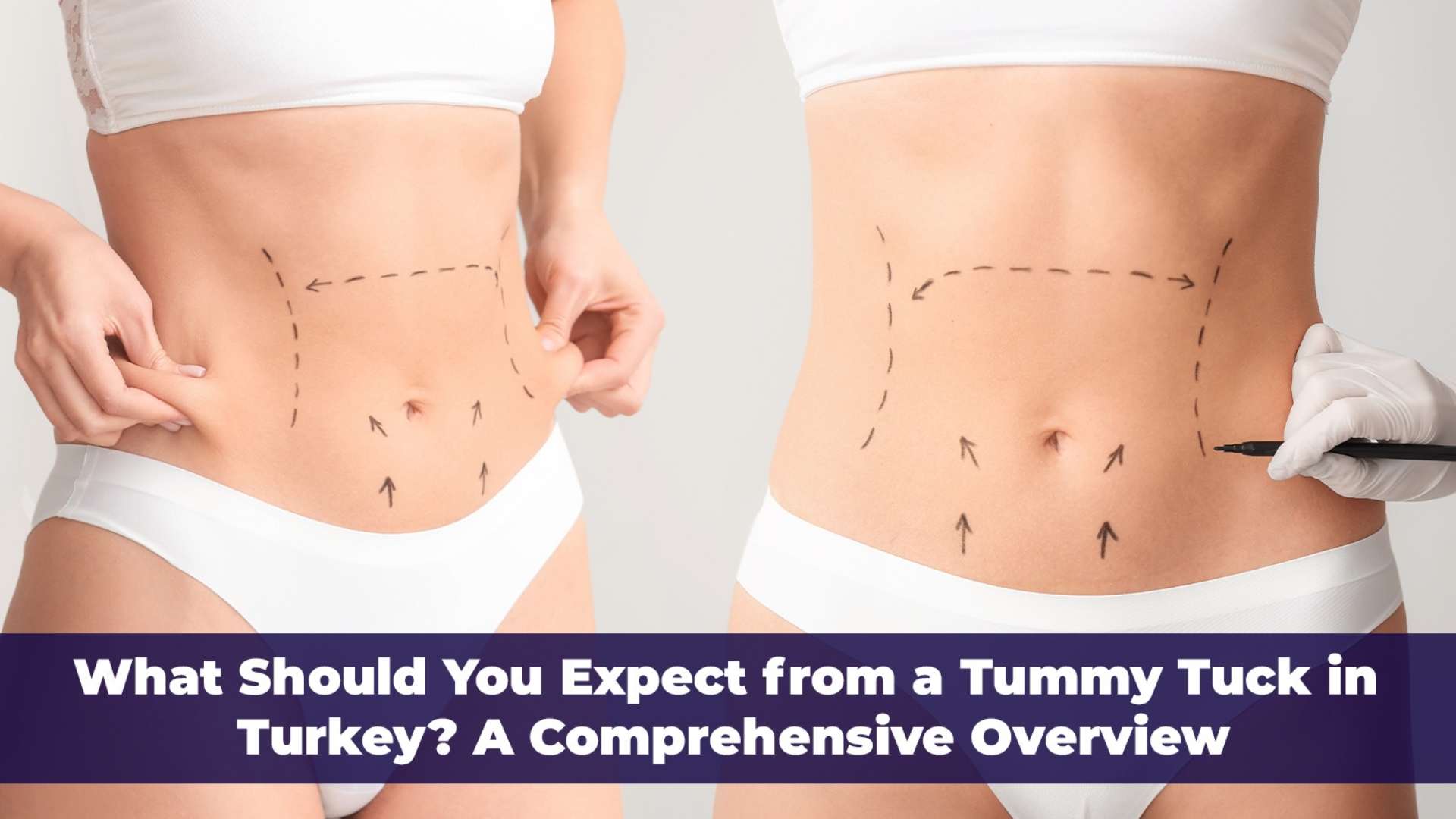
During tummy tuck surgery, excess skin is removed, abdominal muscles are tightened, and liposuction refines contour — one of the most common combined strategies. Breast surgeries are also frequently combined with body contouring. Breast lift with implant can be safely performed alongside abdominal and waist contouring. BBL is often combined with Lipo 360 to reshape the waist–buttock silhouette comprehensively.
The key is correct sequencing, proper technique, and strategic planning.
How Is the Recovery Process Managed?
One of the biggest advantages of combined surgery is experiencing recovery only once. However, this period must be carefully managed.
Early recovery varies depending on procedure scope. Swelling and tenderness are common in liposuction areas, while tummy tuck patients may feel abdominal tension. If breast surgery is included, arm movements may be restricted temporarily.
Correct compression garment use, light walking, proper resting position, prescribed medication compliance, hydration, protein-rich nutrition, and smoking avoidance are essential.
Regular follow-ups allow the surgeon to monitor tissue healing, swelling, and drainage needs. Initial recovery usually takes 2–4 weeks, while full contour definition may take several months.
Who Is Suitable for Combined Surgery?
Suitability is determined through clinical evaluation. Some patients only have abdominal sagging, while others also have waist fat accumulation and breast changes. In such patients, combined surgery restores overall body harmony effectively.
For example:
• Postpartum patients with breast deflation and abdominal laxity may benefit from breast lift + tummy tuck.
• Patients with thick waist and weak buttock volume may benefit from Lipo 360 + fat transfer.
• Patients with flat abdomen but pronounced side fat may only need liposuction.
• Patients with diastasis recti benefit functionally and aesthetically from tummy tuck.
Every plan is personalized.
A Holistic Perspective on Combined Surgeries
When performed with accurate patient selection and professional planning, combined aesthetic surgeries are safe, effective, and comprehensive. They provide proportional balance, save time, and enhance long-term aesthetic outcomes. The most critical factors are surgeon experience, proper hospital conditions, and thorough medical evaluation. With correct planning, combined surgeries refine body proportions, support comfortable recovery, and deliver long-lasting, natural results.
Physician Information
Assoc. Prof. Dr. Sedat Tatar is a Plastic, Reconstructive, and Aesthetic Surgery specialist who is Double Board Certified by two international boards. He holds the titles of Fellow of the American College of Surgeons (FACS) and Fellow of the European Board of Plastic, Reconstructive and Aesthetic Surgery (FEBOPRAS).
His international professional memberships include ISAPS (International Society of Aesthetic Plastic Surgery) and ASPS (American Society of Plastic Surgeons).
His clinic is located in Istanbul and is officially authorized by the Turkish Ministry of Health as a Health Tourism Center. His company is registered in the United Kingdom & Wales.
CONTACT INFORMATION
Telephone No : +90 (555) 100 10 83
Contact Link : [email protected]
Address : Levent District, Karanfil Araligi Street No: 18 Besiktas/ISTANBUL