
10 Factors That Affect Fat Retention in Brazilian Butt Lift (BBL) Surgery
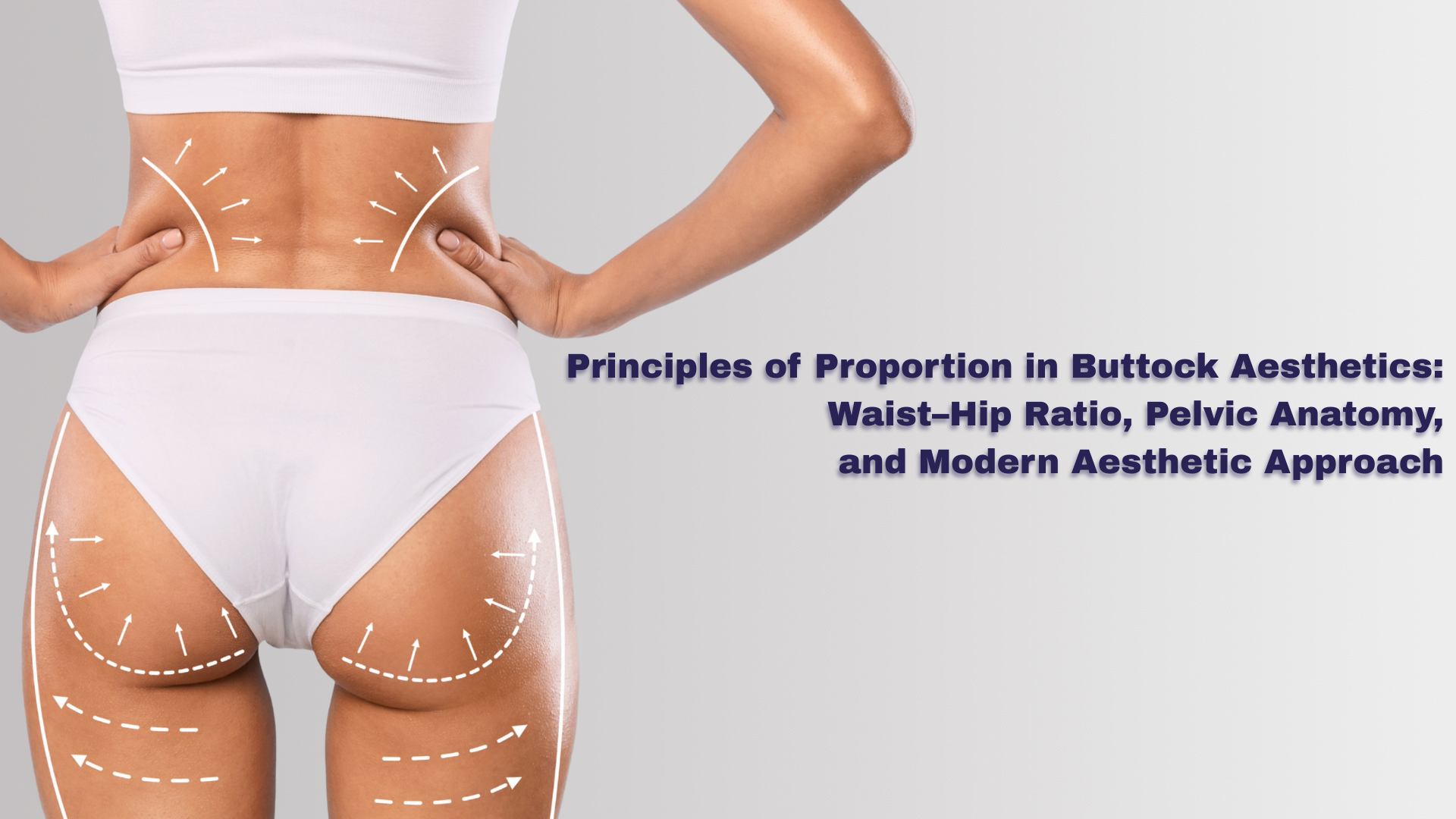
Brazilian Butt Lift (BBL) is one of the most sophisticated procedures in body contouring surgery. The goal of this operation is not only to increase buttock volume, but also to balance the waist–hip ratio, soften the lateral contours, and achieve a natural projection. However, the success of BBL is directly related not only to the surgery itself, but also to how much of the transferred fat ultimately survives and remains permanent.
After fat injection, a certain degree of fat loss is physiologically normal in every patient. What truly matters is preserving the maximum possible amount of fat that successfully revascularizes and becomes permanent. At this point, many factors come into play—not only surgical technique, but also patient-related variables, the healing process, and lifestyle habits.
The fat used in BBL is the patient’s own tissue. In order to survive in its new location, the injected fat cells must establish a blood supply within a short period of time. When this process occurs successfully, the fat becomes permanent.
For this reason, fat retention rates vary from person to person depending on multiple variables, including:
● surgical technique
● tissue quality
● metabolism
● postoperative behaviors
1. Surgical Technique and Injection Strategy
The most critical factor determining fat retention is the surgeon’s technique. Fat must be injected:
● in multiple layers
● with low pressure
● in small volumes
● into the correct anatomical planes
Injecting excessive fat into a single area can lead to oxygen deprivation of fat cells, resulting in poor survival. For this reason, the principle of micro-injection forms the foundation of long-term fat retention.
2. Fat Harvesting and Processing Method
Fat cells are extremely delicate. Using excessive negative pressure during liposuction or failing to properly process the fat can significantly reduce cell viability.
Fat retention is directly influenced by:
● gentle harvesting techniques
● removal of blood and excess fluid
● preservation of a high concentration of viable fat cells
3. Smoking and Nicotine Use
Smoking is one of the strongest risk factors for fat loss after BBL. Nicotine constricts blood vessels and severely disrupts new blood vessel formation. This prevents injected fat cells from receiving adequate oxygen and nutrients.
In patients who smoke:
● fat resorption rates increase
● healing time is prolonged
● results become less predictable
For this reason, avoiding smoking before and after surgery is critical for preserving fat retention.
4. Postoperative Pressure (Sitting and Sleeping Positions)
One of the most common mistakes after BBL is applying pressure to the buttocks too early. Sitting, sleeping on firm surfaces, or using incorrect positions can compromise circulation to the newly transferred fat cells.
Therefore, the following directly affect fat retention:
● use of specialized BBL pillows
● sleeping in prone or side positions
● limiting sitting time during the first weeks
5. Metabolic Rate
Each individual’s metabolism functions differently. In patients with a high metabolic rate, a portion of the fat tissue may be broken down more rapidly. This tendency is largely genetic and cannot be fully controlled surgically, but it is taken into account during planning.
In such patients, surgeons often adopt:
● more conservative volume planning
● strategies focused on long-term stability
6. Weight Fluctuations
Rapid weight loss after BBL can reduce the volume of fat cells. Likewise, excessive weight gain may distort the shape of the buttocks.
To maintain stable fat retention:
● body weight should be kept as stable as possible
● extreme dieting should be avoided
BBL is not a weight-loss procedure; it is a contour-enhancing surgery.
7. Circulation and Tissue Quality
The blood supply of the buttock region is a critical factor for fat cell survival. Individuals with good tissue quality, strong elasticity, and healthy circulation generally experience higher fat retention rates.
For this reason, preoperative evaluation includes assessment of:
● skin quality
● muscle structure
● regional blood circulation
8. Nutrition and Protein Intake
After surgery, the body’s repair processes are intensified. Adequate intake of protein, fluids, and micronutrients supports new blood vessel formation and tissue healing.
In cases of poor nutrition:
● healing slows down
● adaptation of fat cells becomes more difficult
Thus, nutrition plays an indirect but powerful role in fat retention.
9. Timing of Physical Activity
Intense exercise in the early postoperative period—especially activities that heavily engage the gluteal muscles—can negatively affect fat retention. On the other hand, complete immobility may impair circulation.
For this reason:
● light walking is encouraged in the early phase
● a controlled, gradual exercise plan is introduced later
This balanced approach supports the long-term survival of the fat graft.
10. Postoperative Follow-Up and Patient Compliance
BBL outcomes are not determined solely in the operating room. Adherence to the surgeon’s recommendations, attending follow-up visits, and properly managing the recovery period play a decisive role in preserving fat retention.
The stronger the collaboration between patient and surgeon, the more predictable and lasting the results become.
Key Factors Determining the Longevity of BBL Results
No single factor determines fat retention in BBL surgery. Surgical technique, the patient’s tissue characteristics, and postoperative behaviors all work together to shape the final outcome. Just as important as injecting fat in the correct planes and appropriate volumes is the patient’s role—avoiding smoking, preventing pressure on the buttocks, and complying with recovery guidelines. When all of these factors are managed correctly, the buttock shape becomes more stable over time and the results are preserved for the long term.
Physician Information
Assoc. Prof. Dr. Sedat Tatar is a Plastic, Reconstructive, and Aesthetic Surgery specialist who is Double Board Certified by two international boards. He holds the titles of Fellow of the American College of Surgeons (FACS) and Fellow of the European Board of Plastic, Reconstructive and Aesthetic Surgery (FEBOPRAS).
His international professional memberships include ISAPS (International Society of Aesthetic Plastic Surgery) and ASPS (American Society of Plastic Surgeons).
His clinic is located in Istanbul and is officially authorized by the Turkish Ministry of Health as a Health Tourism Center. His company is registered in the United Kingdom & Wales.
CONTACT INFORMATION
Telephone No : +90 (555) 100 10 83
Contact Link : [email protected]
Address : Levent District, Karanfil Araligi Street No: 18 Besiktas/ISTANBUL