
When Should Aesthetic Surgery Be Planned Before a Special Event?
How far in advance aesthetic surgery should be planned before a wedding, holiday, graduation, important meeting, or photoshoot depends on the type of procedure performed and the individual’s recovery process. After many operations, returning to daily life, complete tissue healing, and the result beginning to look natural do not occur at the same time. For this reason, planning should not be based only on the question, “When can I return to work?” The expected duration of swelling, the appearance of scars, movement restrictions, and when the final result is likely to become visible should also be taken into account.
When preparing for a special date, it is important to allow as much time as reasonably possible between surgery and the event. The extent of the operation, whether several procedures are performed during the same session, skin quality, general health, smoking, and individual healing characteristics may all affect this period. Therefore, when planning aesthetic surgery, the calendar should be considered together with the actual recovery process of the procedure.
Does Returning to Daily Life After Surgery Mean You Are Fully Healed?
No. Being able to walk, return to work, or perform daily activities after aesthetic surgery does not mean that the tissues have completely healed. Even if the incisions have begun to close during the early period, swelling, firmness, tenderness, tightness, or the fact that the shape has not yet fully settled may continue. This can be particularly noticeable after tummy tuck, liposuction, breast surgery, and combined body contouring procedures.
This distinction is important when planning for a special event. Returning to daily life does not necessarily mean that a person is fully ready to stand for prolonged periods, perform intense physical activity, wear tight clothing, or attend an event lasting several hours. Medical garments such as compression garments or supportive bras may also still be required by the date of the event and should be taken into account.
How Long Can Swelling and Bruising Last?
Postoperative swelling is part of the body’s normal healing response to surgery. It may be more pronounced during the early period and gradually decrease over time. However, complete resolution of swelling may take longer depending on the extent of surgery, the area treated, and the individual’s circulation and tissue characteristics.
Particularly after liposuction and body contouring procedures, the body shape seen during the early period does not represent the final result. Swelling may persist longer in some areas than in others, and body contours may become more defined over weeks or months. For this reason, scheduling a photoshoot, beach holiday, or event involving fitted clothing too close to surgery may make it more difficult to achieve the expected appearance.
How Does the Type of Surgery Affect the Planning Period?
Not every aesthetic operation has the same recovery timeline. There may be significant differences between procedures performed on limited areas and operations such as tummy tuck, extensive liposuction, or procedures in which several operations are combined. As the surgical area becomes larger, the time required for the tissues to recover, swelling to decrease, and movement to become more comfortable generally increases.
For example, after breast surgery, a person may return to daily activities relatively early, but the breasts may still require time to settle and for swelling to decrease. After a tummy tuck or extensive body contouring surgery, planning must also consider not only appearance but the ability to stand upright, remain active for prolonged periods, and experience less tightness in the abdominal area. Therefore, when choosing a date before a special event, the overall extent of surgery should be considered rather than only the name of the procedure.
Does Having Multiple Procedures Affect the Timeline?
Yes. Performing procedures involving the breasts and abdomen, such as a Mommy Makeover, or combining liposuction with another surgery may create a more extensive recovery process than a single limited operation. When several anatomical areas need to heal at the same time, swelling, movement restrictions, and the return to daily activities may differ.
For a patient planning combined surgery, allowing a longer interval between the operation and the special event generally provides a more comfortable schedule. This is not only because of early healing. How clothing fits the body, reduction of swelling, decreased sensitivity around the incisions, and the ability to participate more comfortably in prolonged social activities should also be considered.
Are Surgical Scars Important When Planning for a Special Event?
In operations involving surgical incisions, the appearance of scars is also part of the timing. During the early stages of healing, surgical scars may appear more prominent, pink, or firm. Over time, they generally mature and become softer and less noticeable. However, scar maturation varies from person to person and is not limited to a process of only a few weeks.
Particularly for events involving swimwear, low-cut clothing, or outfits that expose certain areas of the body, the location of the incisions should be considered in advance. In procedures such as tummy tuck, breast lift, arm lift, or thigh lift, whether the scars will remain concealed beneath clothing may also affect planning. Surgical scars do not disappear completely; the aim is for them to mature over time and become less noticeable.
What Should Be Considered When Planning Surgery Before a Wedding or Holiday?
For events such as weddings that involve prolonged standing, dancing, travelling, and an intensive day, physical comfort is as important as appearance. Even if a person feels well after surgery, prolonged activities may be more tiring than normal daily life. Therefore, planning should not be based solely on whether swelling has decreased.
Holiday plans involve additional factors such as sun exposure, the sea, swimming pools, long flights, and physical activity. Surgical incisions that have not healed sufficiently, prolonged sun exposure, or activities that have not yet been approved by the surgeon may not be compatible with the recovery plan. For this reason, the destination and planned activities should also be considered when arranging postoperative travel or a holiday.
Why Should There Be a Safety Margin Between Surgery and a Special Event?
Although recovery after aesthetic surgery generally follows a predictable sequence, not every patient heals at the same rate. Swelling may last longer than expected, wound healing may progress more slowly, or it may take longer for the patient to feel physically ready. Leaving too little time between surgery and an important date may create unnecessary pressure for recovery to be completed by a specific day.
Allowing a safety margin in the schedule is more appropriate for accommodating the body’s natural healing pace. This makes postoperative follow-up, compression garment use, activity restrictions, and possible minor delays less likely to interfere with the special event. Rather than scheduling surgery as late as possible, it is more appropriate to work backwards from the event date and create a realistic recovery timeline.
How Is the Right Surgery Date Determined?
The appropriate timing is determined by considering the date of the planned special event together with the recovery characteristics of the surgery. The aim is not merely for the surgical wounds to have closed, but for swelling to have decreased significantly, movement to be more comfortable, the operated area to begin looking more natural, and the patient to be physically able to participate in the event comfortably.
For this reason, the date of the special event, travel plans, clothing to be worn, and expected physical activities should be discussed with the plastic surgeon when planning surgery. A shorter interval may be sufficient for some patients, while more extensive procedures may require a longer preparation period. Organising the schedule according to the actual recovery process of the operation, rather than fitting the surgery into the calendar, provides a more predictable approach when preparing for a special event.
Physician Information
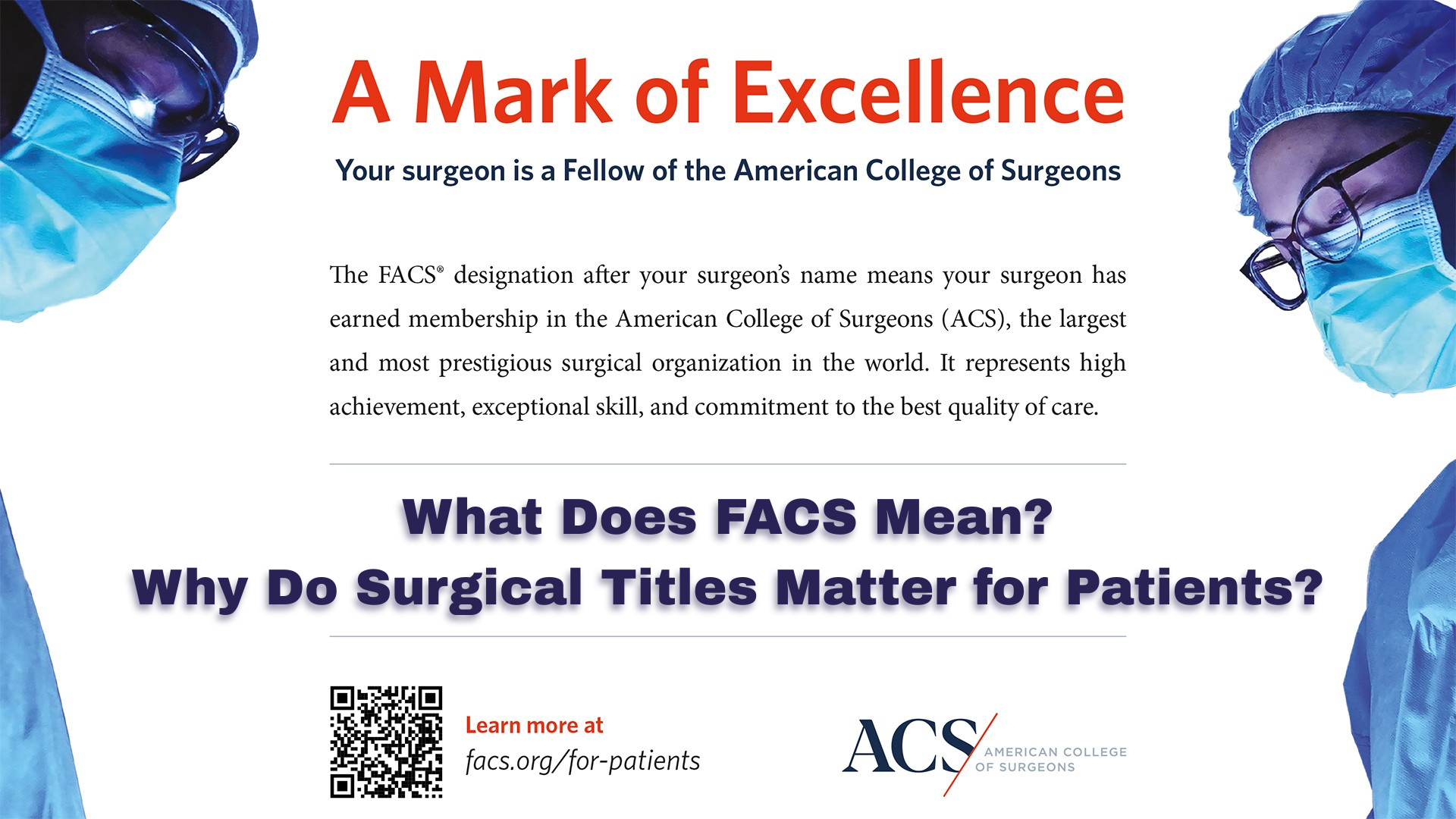
Assoc. Prof. Dr. Sedat Tatar is a Plastic, Reconstructive, and Aesthetic Surgery specialist who is Double Board Certified by two international boards. He holds the titles of Fellow of the American College of Surgeons (FACS) and Fellow of the European Board of Plastic, Reconstructive and Aesthetic Surgery (FEBOPRAS).
His international professional memberships include ISAPS (International Society of Aesthetic Plastic Surgery) and ASPS (American Society of Plastic Surgeons).
His clinic is located in Istanbul and is officially authorized by the Turkish Ministry of Health as a Health Tourism Center. His company is registered in the United Kingdom & Wales.
CONTACT INFORMATION
Telephone No : +90 (555) 100 10 83
Contact Link : [email protected]