
Body Contouring After Weight Loss: More Than an Aesthetic Transformation
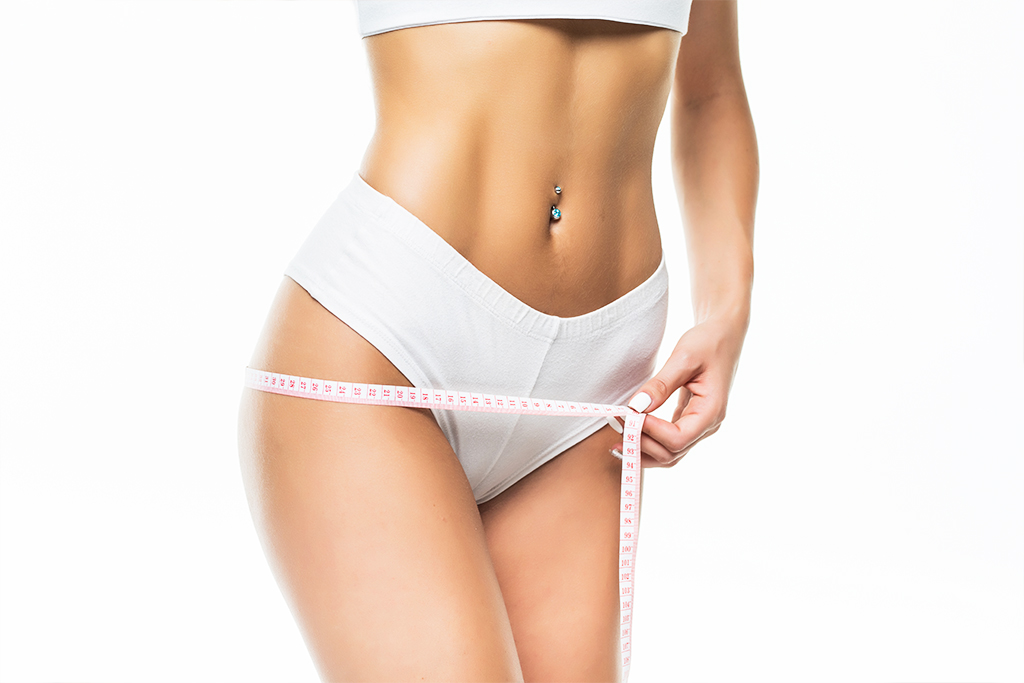
Losing a significant amount of weight is a major achievement—one that improves health, enhances quality of life, and often reshapes a person’s relationship with their own body. However, after substantial weight loss, it is not only fat tissue that decreases. Skin elasticity may be compromised, tissue support can weaken, and noticeable sagging may develop in various areas of the body. This is not merely an aesthetic concern; it directly affects daily comfort, mobility, clothing fit, and psychological well-being.
At this stage, body-contouring surgery comes into play. Its goal is to restructure the body after weight loss, support skin and tissue integrity, and provide both aesthetic and functional benefits. In this article, we examine from a clinical perspective why post–weight loss body contouring represents a comprehensive health-oriented approach rather than a purely cosmetic one.
What Happens to the Body After Weight Loss?
After the body has carried excess weight for a prolonged period, the skin often cannot fully regain its previous tightness following rapid or significant weight loss. In cases of fast weight reduction, elastic fibers may not adapt sufficiently, leading to more pronounced sagging.
The most common changes observed after weight loss include:
● Excess skin and sagging in the abdominal area
● Volume loss and laxity in the breast tissue
● Flattening or sagging of the buttocks
● Excess skin on the inner arms
● Sagging of the inner thighs
● Loss of waist definition
These changes do not only affect appearance; they may also cause physical problems such as friction during movement, skin irritation, rashes, hygiene difficulties, and challenges with clothing fit.
What Does Body-Contouring Surgery Aim to Achieve?
Body-contouring surgery is a comprehensive approach designed to correct excess skin and deformities that develop after weight loss. The objective is not simply to make the body slimmer, but to restore contour, tighten the skin, improve functional comfort, and reestablish aesthetic harmony.
Key goals of this process include:
● Removal of sagging excess skin
● Reshaping of body contours
● Improvement of skin quality and firmness
● Support for ease of daily movement
● Enhanced clothing comfort
● Strengthening of body image
As a result, the individual not only looks fitter, but also develops a much more comfortable and confident relationship with their body.
Which Areas Are Most Commonly Contoured?
Post–weight loss body contouring often involves multiple areas. Since every patient’s anatomy is different, treatment planning is entirely individualized.
The most commonly performed contouring procedures include:
● Abdominoplasty: Tightening of the abdominal wall in patients with abdominal sagging and muscle separation
● Breast lift and reduction or implant-supported reshaping: Restoring form to breasts that have lost volume and firmness
● Arm lift: Removal of excess skin from the inner upper arms
● Thigh lift: Correction of sagging in the inner thighs
● BBL or buttock reshaping: Restoring projection and contour to the buttocks
● Liposuction-assisted contour refinement: Fine-tuning body shape in areas with residual fullness
These procedures may be safely combined in a single session or planned in stages, depending on individual needs and safety considerations.
This Process Is Functional, Not Just Aesthetic
In many patients, body-contouring surgery after weight loss is performed not only to improve appearance, but also to achieve significant functional benefits.
Functional improvements may include:
● Reduced friction and skin irritation during walking
● Fewer hygiene problems caused by skin folds
● Improved posture and postural support
● Greater ease of movement in daily activities
● Increased capacity for physical exercise
For this reason, many patients experience noticeable relief not only in front of the mirror, but also in their everyday lives after surgery.
The Psychological and Social Dimension Should Not Be Overlooked
Significant weight loss is a major success; however, residual deformities can sometimes make it difficult for individuals to fully internalize this achievement. Sagging skin and disproportional contours may negatively affect self-confidence and body image in some patients.
Body-contouring surgery can:
● Strengthen the individual’s relationship with their body
● Create a sense of a “completed transformation”
● Improve comfort in social settings
● Provide greater freedom in clothing choices
Psychological well-being is therefore an essential component of this process.
When Is the Right Time for Surgery After Weight Loss?
The general clinical approach includes:
● Achieving a stable body weight
● Maintaining the ideal weight for at least 6–12 months
● Ensuring that overall health status is suitable for surgery
Rather than making a rushed decision, allowing the body time to adapt to the new weight leads to healthier and more durable outcomes. Timing is always evaluated on an individual basis.
Are Combined Procedures Possible?
Yes, it is possible to contour multiple areas in a single surgical session after weight loss. However, this decision is always made with safety as the priority.
The decision to combine procedures depends on factors such as:
● Total duration of surgery
● The patient’s overall health status
● Tissue quality
● Risk of blood loss
● Healing and recovery capacity
The goal is always to achieve maximum benefit within the safest possible framework.
Why Are Realistic Expectations So Important?
Body-contouring surgery offers a powerful transformation, but it is not a miracle solution. Understanding both the possibilities and limitations of surgery is essential.
With realistic expectations:
● Excess skin is reduced and contours become more defined
● A firmer, more compact, and better-shaped body is achieved
● Limitations related to skin quality may still exist
● Every result is planned within natural, individual boundaries
Clear communication between patient and surgeon and a well-structured planning process are therefore fundamental.
A More Balanced, More Functional, and Stronger Body Is Possible
Body contouring after weight loss is a comprehensive approach that integrates aesthetics, function, and health. With proper technique, appropriate patient selection, and scientifically grounded planning, individuals can achieve not only a more refined appearance, but also a body that moves more comfortably, feels stronger, and supports a higher quality of life.
Physician Information
Assoc. Prof. Dr. Sedat Tatar is a Plastic, Reconstructive, and Aesthetic Surgery specialist who is Double Board Certified by two international boards. He holds the titles of Fellow of the American College of Surgeons (FACS) and Fellow of the European Board of Plastic, Reconstructive and Aesthetic Surgery (FEBOPRAS).
His international professional memberships include ISAPS (International Society of Aesthetic Plastic Surgery) and ASPS (American Society of Plastic Surgeons).
His clinic is located in Istanbul and is officially authorized by the Turkish Ministry of Health as a Health Tourism Center. His company is registered in the United Kingdom & Wales.
CONTACT INFORMATION
Telephone No : +90 (555) 100 10 83
Contact Link : [email protected]
Address : Levent District, Karanfil Araligi Street No: 18 Besiktas/ISTANBUL