
Can Aesthetic Surgery Results Be Maintained for Many Years?
The changes achieved through aesthetic surgery can often be maintained for many years. However, no operation can make the body completely unaffected by ageing, gravity, weight changes, pregnancy, or lifestyle habits. Excess skin or fat tissue removed during surgery does not simply return to its previous state; however, the tissues that remain after surgery continue to change over time.
Permanence does not mean that the appearance achieved during the first year after surgery will remain completely unchanged for life. A more accurate way to describe it is this: If a person maintains a relatively stable weight, does not smoke, protects their skin from the sun, and continues healthy lifestyle habits, the basic shape created through surgery may be preserved for a long time. How long a particular change lasts depends on the operation performed, the individual’s anatomy, and subsequent life events.
What Does It Mean for Aesthetic Surgery to Be Permanent?
Aesthetic surgery changes specific anatomical structures. Liposuction removes a proportion of fat cells from selected areas; a tummy tuck may remove excess skin and, in suitable patients, repair separated abdominal muscles; a breast lift reshapes the breast tissue and skin envelope. These changes do not disappear within a few months in the way a temporary cosmetic treatment might.
However, the body continues to age biologically. The skin may gradually lose elasticity, tissues may be affected by gravity, and hormonal changes may alter fat distribution. Therefore, the term “permanent” should not be interpreted as meaning that surgery stops time. For example, after a facelift, a younger appearance may be maintained for many years, but the face continues its natural ageing process from the age at which the operation was performed. Daily sun protection and healthy lifestyle habits may help preserve this appearance for longer.
How Do Weight Changes Affect Body Shape?
One of the most important factors in maintaining the appearance after aesthetic surgery is keeping body weight as stable as possible. After liposuction, the number of fat cells in the treated area is reduced; however, the remaining fat cells in the body can enlarge if weight is gained. Therefore, liposuction does not provide protection against future weight gain. Significant weight gain may alter body proportions again in both treated and untreated areas.
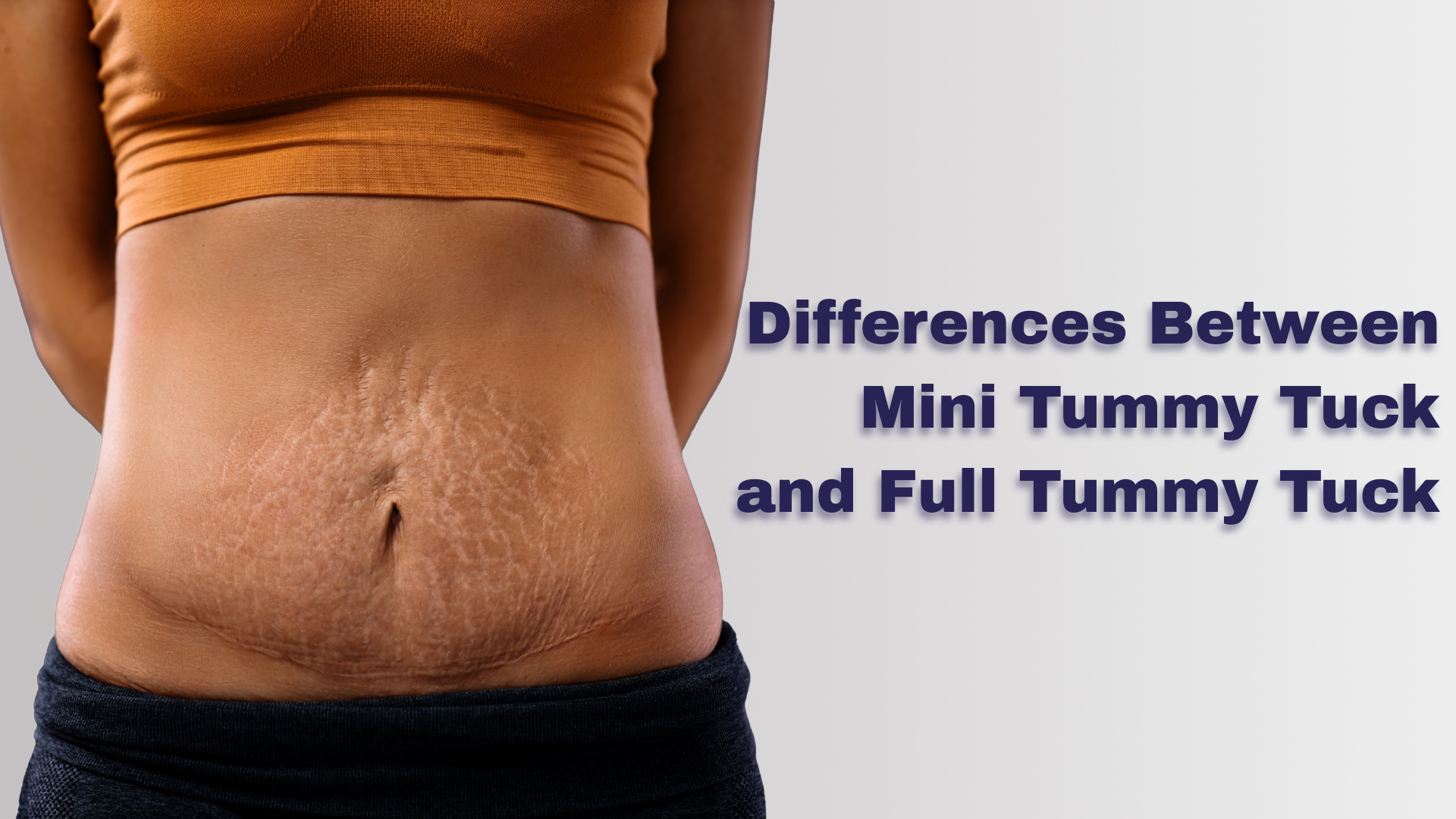
The same applies to tummy tuck, body lift, and other body contouring procedures. Significant weight gain may stretch the skin and supporting tissues again, while major weight loss may create new areas of laxity. The changes achieved through body contouring procedures can generally be maintained for a long time, but stable weight and overall physical condition are important.
The aim is not to remain at exactly the same number on the scale for life. What matters is avoiding frequent and significant cycles of weight gain and loss and maintaining a sustainable weight range.
Can Pregnancy Affect the Changes Achieved Through Surgery?
Pregnancy does not automatically make a previous aesthetic operation unsuccessful. However, the abdominal skin, abdominal wall, and breast tissue may change significantly during pregnancy. These changes may reduce the appearance achieved through a tummy tuck or breast lift and may lead to recurrent sagging or separation of the abdominal muscles in some patients.
Breast tissue is particularly affected by pregnancy, breastfeeding, and hormonal changes. A pregnancy after breast lift surgery may alter breast volume and skin quality, partially reducing the previous result. Significant weight loss may also lead to loss of breast volume and increased laxity.
For this reason, individuals planning pregnancy in the near future should discuss the timing of surgery with their plastic surgeon. Potential future anatomical changes and the possible need for revision surgery should be discussed realistically.
Why Does the Ageing Process Continue?
Surgery may reduce excess skin or reposition tissues, but it cannot completely change the genetic characteristics that determine skin quality. Age, hormones, collagen structure, sun exposure, and gravity continue to influence tissue elasticity over the years.
This is one reason why two patients who undergo the same operation may maintain their appearance for different lengths of time. A person with more elastic skin and stronger supporting tissues will not age in exactly the same way as someone with thin, sun-damaged skin or skin that is more prone to laxity.
This does not mean that the effect of surgery disappears. For example, even if breast or body tissues become somewhat looser over the years, the person does not usually return suddenly to their preoperative appearance. New changes develop on top of the anatomical foundation created by the operation.
Why Are Sun Exposure and Smoking Important?
Sun protection is important not only for preventing surgical scars from becoming darker. Long-term ultraviolet exposure may accelerate skin ageing and increase wrinkles, pigmentation changes, and loss of elasticity in exposed areas such as the face, neck, and décolletage. Particularly after facelift, neck lift, and eyelid surgery, daily sun protection may help limit the effects of skin ageing.
Smoking, meanwhile, is an adverse factor for both early healing and long-term tissue quality. The World Health Organization states that tobacco use increases the risk of postoperative infection, delayed healing, and heart and lung complications.
For long-term preservation, the strongest approach is to stop tobacco and nicotine use permanently.
Can Nutrition and Exercise Help Maintain the Results?
Regular physical activity may help maintain muscle tone and a stable body weight. However, exercise is not a substitute for the skin removed during a tummy tuck or the tissues reshaped during a breast lift. It supports the contour created through surgery; it does not recreate the surgical change.
A sustainable eating pattern is more valuable than short-term, restrictive diets. Adequate protein, vegetables, fruit, and balanced energy intake support general health and may also help prevent frequent weight fluctuations. Exercise after surgery should not be resumed too quickly before recovery is complete; the type and intensity of activity should be increased according to the surgeon’s plan.
Does Every Operation Remain Effective for the Same Length of Time?
No. Liposuction and body contouring procedures involving skin removal may provide long-lasting anatomical changes when weight stability is maintained. Breast lift results may be affected by ageing, pregnancy, and weight changes. A facelift does not reverse ageing permanently; rather, it places the individual at a younger-looking starting point compared with their preoperative appearance.
Breast operations involving implants should also be considered separately. Breast implants are not devices guaranteed to last for a lifetime. The FDA states that the longer implants remain in place, the greater the likelihood of complications requiring removal, replacement, or additional surgery. Therefore, recommended clinical and imaging follow-up should not be neglected even when the appearance remains satisfactory.
Long-Term Maintenance Does Not Depend on a Single Habit
There is no miracle cream, single exercise, or temporary diet that can preserve the appearance achieved after aesthetic surgery. The most effective approach is to maintain several habits together, including stable weight, regular physical activity, sun protection, avoiding smoking, and following the surgeon’s long-term follow-up recommendations.
It is normal for the body to change over the years. The aim is not to freeze the postoperative appearance in time, but to allow the anatomical balance created through surgery to age as healthily as possible. For this reason, long-term success depends not only on what is done in the operating room, but also on appropriate surgical timing and the lifestyle maintained afterwards.
Physician Information
Assoc. Prof. Dr. Sedat Tatar is a Plastic, Reconstructive, and Aesthetic Surgery specialist who is Double Board Certified by two international boards. He holds the titles of Fellow of the American College of Surgeons (FACS) and Fellow of the European Board of Plastic, Reconstructive and Aesthetic Surgery (FEBOPRAS).
His international professional memberships include ISAPS (International Society of Aesthetic Plastic Surgery) and ASPS (American Society of Plastic Surgeons).
His clinic is located in Istanbul and is officially authorized by the Turkish Ministry of Health as a Health Tourism Center. His company is registered in the United Kingdom & Wales.
CONTACT INFORMATION
Telephone No : +90 (555) 100 10 83
Contact Link : [email protected]
Address : Levent District, Karanfil Araligi Street No: 18 Besiktas/ISTANBUL