
Stopping Aging—or Managing It? The Role of Aesthetic Surgery
Aging is not a process that can be stopped; however, with the right approach, proper planning, and medical support, it can be managed. Loss of skin elasticity, redistribution of fat tissue, weakening of muscular support, and the effects of gravity gradually change both the face and body over time. These changes affect not only aesthetic appearance, but also self-perception, social comfort, and psychological well-being.
Aesthetic and plastic surgery does not aim to “reset” aging, but rather to support a natural, healthy, and controlled aging process. In this article, we examine the causes of aging, how aesthetic surgery can contribute to this journey, and how the right approach should be planned from a clinical perspective.
Why Does Aging Occur?
Aging is a multifactorial process and cannot be explained by time alone. Genetic makeup, environmental exposure, and lifestyle all influence the rate and pattern of aging.
Key factors that affect the aging process include:
● Genetic predisposition
● Sun exposure and UV radiation
● Smoking and environmental toxins
● Hormonal and metabolic changes
● Nutrition, sleep quality, and stress levels
● The long-term effects of gravity
The combination of these factors leads to visible changes such as skin thinning, loss of elasticity, wrinkles, volume loss, and tissue sagging.
Not “Stopping” but “Managing”: The Right Perspective
Focusing on completely stopping aging is neither realistic nor healthy. The true goals should be to:
● Slow down the aging process
● Preserve a natural appearance
● Maintain proportion and facial harmony
● Support functional structures
At this point, aesthetic surgery is not a discipline that “fights” aging, but one that accompanies, guides, and manages it in a balanced way.
How Do We Manage Facial Aging?
Facial aging should not be evaluated solely as the presence of wrinkles. Volume loss, decreased skin elasticity, and downward displacement of soft tissues must all be assessed together.
The main approaches used in managing facial aging include:
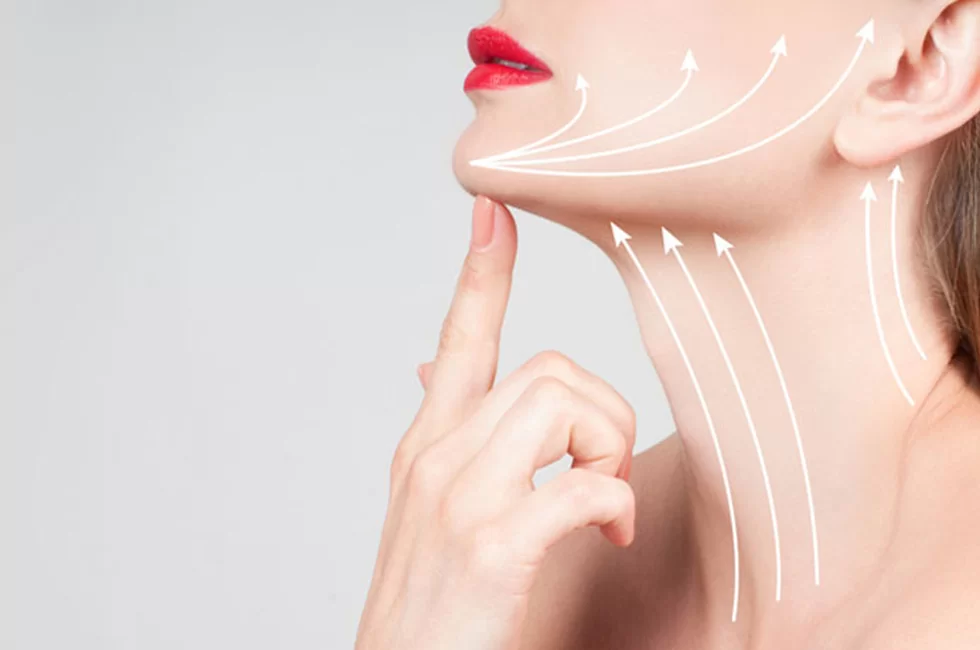
● Surgical facelift and tissue-lifting techniques
● Fat transfer to restore volume and vitality
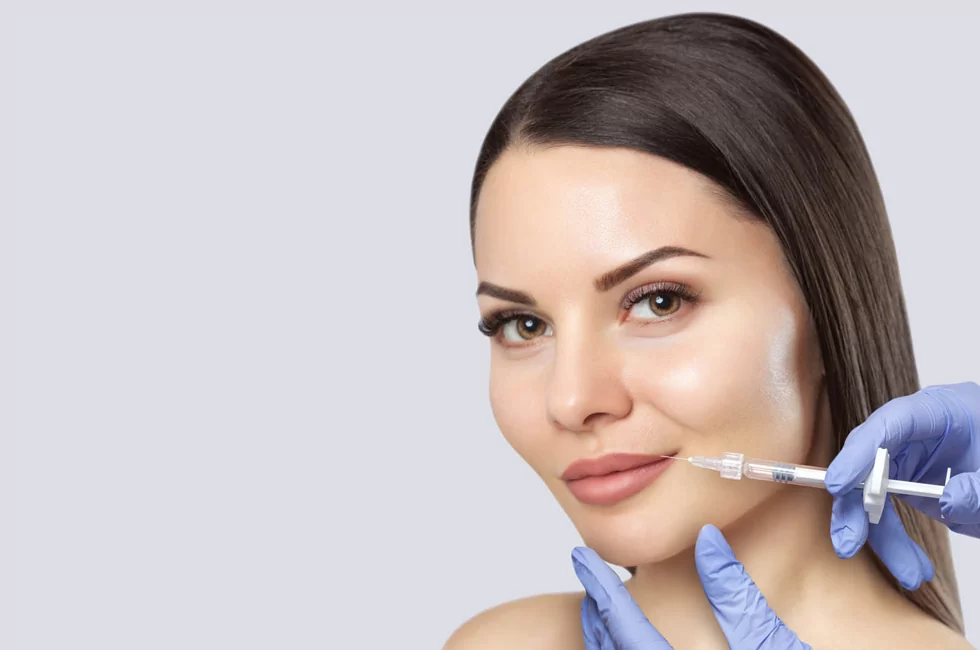
● Minimally invasive treatments when appropriate
● Therapies aimed at improving skin quality
The goal is not a frozen or artificial expression, but a more rested, refreshed, and naturally expressive appearance that remains true to the individual.
The Role of Surgery in Body Aging
Aging affects not only the face, but also body areas such as the abdomen, breasts, thighs, arms, and buttocks. Reduced skin elasticity and the effects of gravity can lead to tissue laxity and sagging in these regions.
Contributions of aesthetic surgery in body aging management include:
● Breast lifting and reshaping
● Abdominal and body lifting procedures
● Skin tightening and tissue-support treatments
● Contour surgeries that restore balanced body proportions
These procedures support not only appearance, but also ease of movement, clothing fit, and body perception.
Why Is a “Natural Result” the Most Important Principle?
The most critical principle in managing aging through aesthetic surgery is achieving natural results that align with the individual’s character. Instead of overly aggressive interventions that cause loss of facial expression or alter personal identity, tissue-respecting, harmonious, and balanced solutions should be preferred.
A natural outcome is based on:
● Personalized planning
● Respect for proportional principles
● Smooth and gradual transitions
● Joint consideration of function and aesthetics
This approach allows individuals to feel like themselves—both in the mirror and in social life.
The Psychological Dimension Should Not Be Ignored
Aging affects not only the body, but also emotions. While some individuals accept aging comfortably, others experience a more challenging adaptation process. At this point, aesthetic surgery should consider not only physical changes, but also psychological well-being.
Key elements of this process include:
● Establishing realistic expectations
● Planning interventions based on need rather than pressure
● Choosing treatments that help the individual feel genuinely better
The Healthiest Way to Manage Aging: A Holistic Approach
Managing aging is not a “single-procedure solution.” It requires continuity, planning, and a personalized strategy. Regular follow-up, supportive skin care, and timely use of surgical or non-surgical treatments determine long-term success.
The goal is not to turn back time, but to live it in a healthier, more controlled, and aesthetically balanced way.
Physician Information
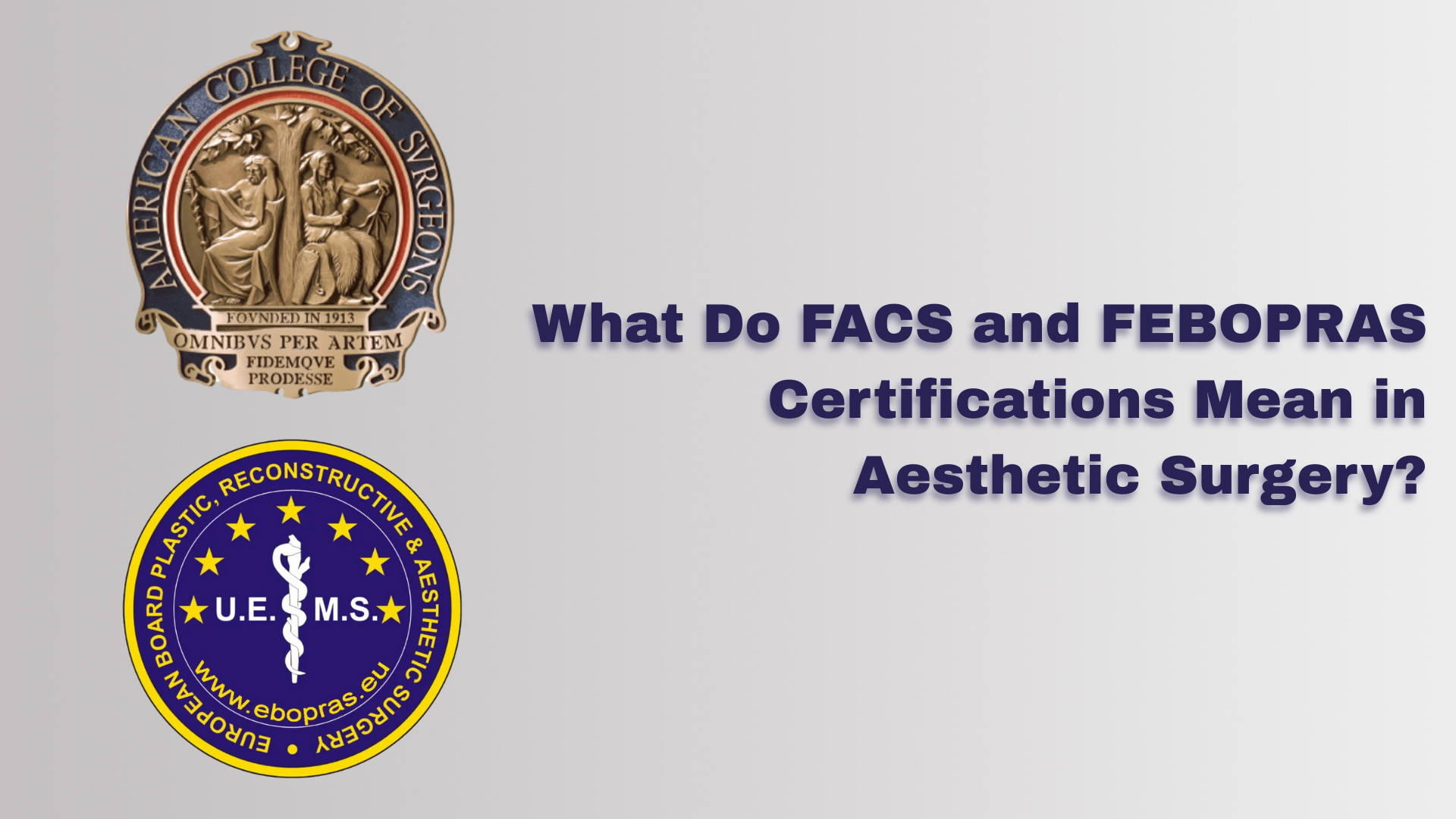
Assoc. Prof. Dr. Sedat Tatar is a Plastic, Reconstructive, and Aesthetic Surgery specialist who is Double Board Certified by two international boards. He holds the titles of Fellow of the American College of Surgeons (FACS) and Fellow of the European Board of Plastic, Reconstructive and Aesthetic Surgery (FEBOPRAS).
His international professional memberships include ISAPS (International Society of Aesthetic Plastic Surgery) and ASPS (American Society of Plastic Surgeons).
His clinic is located in Istanbul and is officially authorized by the Turkish Ministry of Health as a Health Tourism Center. His company is registered in the United Kingdom & Wales.
CONTACT INFORMATION
Telephone No : +90 (555) 100 10 83
Contact Link : [email protected]
Address : Levent District, Karanfil Araligi Street No: 18 Besiktas/ISTANBUL