What Is Breast Implant Capsular Contracture? Early Signs and What to Do
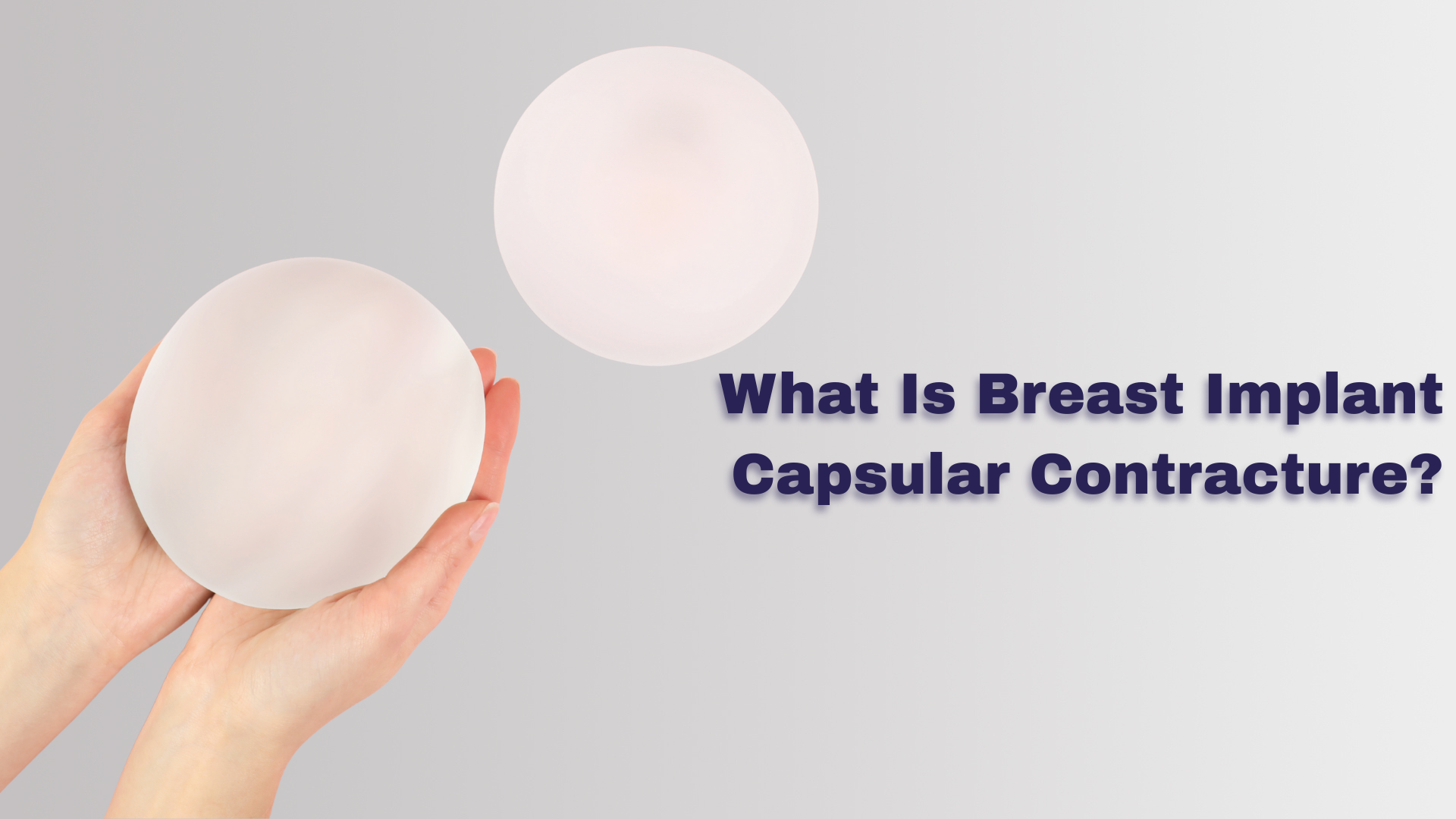
After breast implant surgery, the body naturally forms a thin “capsule” of tissue around the implant. Normally, this capsule is soft and elastic. However, in some patients, the capsule may thicken, harden, and tighten over time, squeezing the implant. This condition is called capsular contracture. It may present with firmness, shape change, asymmetry, and sometimes pain. The following information is designed to help you recognize early signs and plan a safe pathway with your surgeon.
How Does Capsular Contracture Develop?
The capsule is part of the normal healing process, but in some cases it loses elasticity and becomes thick and tight. Increased fibrosis, microbial biofilm, hematoma/seroma, choosing an implant too large for the tissue, smoking, metabolic problems, and technical surgical factors may contribute. Contracture does not always appear immediately; it may develop within months or even years after surgery.
Early Signs: When Should You Suspect It?
● Increasing tightness or firmness compared to the other breast
● Rounder contour, higher upper pole fullness, or worsening asymmetry
● Tenderness or pain (especially in advanced stages)
● Changes in bra fit or visible differences in clothing
If you notice these changes, avoid performing strong pressure massages on your own and contact your surgeon. Clinical examination and ultrasound or MRI may be used if necessary.
Severity Levels (Baker Classification)
Capsular contracture is clinically graded in four stages:
● Baker I: Soft, natural feel and appearance
● Baker II: Slightly firm, natural appearance
● Baker III: Firm with visible distortion
● Baker IV: Very firm, painful and clearly distorted
In general, Baker I–II cases are usually monitored closely and supported with lifestyle and medical guidance; Baker III–IV cases often require surgical correction. Final decisions are based on examination, symptom severity, and patient expectations.
How Common Is Capsular Contracture?
Rates vary depending on implant type, placement plane, surgical technique, tissue quality, and length of follow-up. Over long-term follow-up, the cumulative risk gradually increases, and it is generally higher in reconstruction patients than augmentation patients. Although the exact percentage differs between studies, the risk is never zero.
Risk Factors: Who Is More Likely to Develop It?
Modifiable Factors
● Smoking and nicotine use
● Hematoma or seroma formation
● Choosing implants disproportionately large for the tissues
● Poor nutrition and metabolic imbalance (e.g., uncontrolled high HbA1c)
Surgical / Technical Factors
● Subglandular placement (reported as higher risk in some studies)
● Inadequate asepsis and biofilm formation
● Long surgical duration, multiple previous surgeries, older implants
Coexisting Conditions
● Reconstruction after radiotherapy
● Autoimmune or metabolic disorders, sleep apnea, hypertension, and other health issues
Each patient’s risk profile is unique; evaluation must be individualized.
Diagnosis: Examination and Imaging When Needed
Diagnosis is primarily based on medical history and physical examination. Ultrasound can help assess capsule thickness and surrounding tissues. MRI may be recommended for differential diagnosis such as suspected rupture or fluid collection. Baker classification is clinical; imaging supports decision-making.
Treatment Options: From Monitoring to Surgery
Early / Mild Cases (Baker I–II)
● Close follow-up: Regular monitoring if symptoms are mild.
● Lifestyle and metabolic support: Quitting smoking, maintaining adequate protein intake, hydration, and physical activity improve healing quality.
● Physician-guided conservative approaches: In selected cases, some centers may consider off-label medication strategies (such as leukotriene receptor antagonists). These drugs are not officially approved for cosmetic indications; the surgeon decides and monitors safety.
Note: Aggressive self-massage or external manipulation techniques found online may harm the capsule or implant. Follow only your surgeon’s recommended protocols.
Moderate to Severe / Persistent Cases (Baker III–IV)
● Capsulotomy or capsulolysis: Loosening or releasing the capsule; may be sufficient in some patients.
● Capsulectomy: Partial or total removal of the thickened capsule.
● Implant replacement and plane change: Size/shape adjustment; switching from subglandular to submuscular if appropriate.
● ADM (Acellular Dermal Matrix) support: May help reduce recurrence in selected cases.
Even after surgery, recurrence risk is not zero. Strict sterile technique, infection prevention, correct planning, and regular follow-ups are essential.
Preventive Strategies: How to Reduce the Risk?
● Stop smoking and nicotine to improve blood flow and healing
● Optimize metabolic health: glucose, blood pressure, Vitamin D, iron and zinc when necessary
● Choose an implant appropriate for your tissue thickness and goals
● Follow surgical principles that reduce biofilm risk
● Prevent hematoma/seroma: proper drains, compression garments, and follow-up compliance
● Attend all follow-ups: early detection allows easier management
Frequently Asked Questions
Can it resolve by itself?
In early mild stages, symptoms may fluctuate; however, in advanced hardening and visible distortion, surgical options are usually required.
Is submuscular placement safer?
Many studies report lower risk compared to subglandular placement, but every patient is different. Tissue thickness, lifestyle, and desired aesthetic outcome are all considered together.
Can it recur?
Yes, recurrence risk exists even after corrective surgery. Proper planning and personalized care help reduce this risk.
Does it affect breastfeeding?
Capsular contracture mostly affects breast shape and feel rather than milk production. If you plan to breastfeed in the future, discuss incision type and planning with your surgeon beforehand.
When Should You See a Doctor?
● New or progressively increasing tightness or firmness
● Noticeable shape change or worsening asymmetry
● Pain, redness, warmth, sudden swelling
● Changes after trauma or bleeding
Early consultation improves control, timing of treatment, and overall comfort. If anything feels different or worrying, booking an examination is always the safest approach.
Physician Information
Assoc. Prof. Dr. Sedat Tatar is a Plastic, Reconstructive, and Aesthetic Surgery specialist who is Double Board Certified by two international boards. He holds the titles of Fellow of the American College of Surgeons (FACS) and Fellow of the European Board of Plastic, Reconstructive and Aesthetic Surgery (FEBOPRAS).
His international professional memberships include ISAPS (International Society of Aesthetic Plastic Surgery) and ASPS (American Society of Plastic Surgeons).
His clinic is located in Istanbul and is officially authorized by the Turkish Ministry of Health as a Health Tourism Center. His company is registered in the United Kingdom & Wales.
CONTACT INFORMATION
Telephone No : +90 (555) 100 10 83
Contact Link : [email protected]
Address : Levent District, Karanfil Araligi Street No: 18 Besiktas/ISTANBUL