
What Should I Pay Attention to During Recovery After Aesthetic Surgery?
For many patients, the decision to undergo aesthetic surgery follows a long period of evaluation. However, another stage that is just as important as the operation itself is the postoperative recovery period. The quality of the surgical result is largely influenced by how this phase is managed.
Recovery does not simply mean that sutures close or bruising fades. Tissue adaptation, reduction of swelling, skin adjustment to the new contour, and overall physical recovery all require time.
The First Days: Rest and Tissue Protection
The first few days after surgery represent the most intensive adaptation phase for the body. During this period, it is important to:
● Rest and avoid strenuous activities
● Take prescribed medications regularly
● Protect the surgical area from trauma
● Avoid sudden movements
Especially after combined procedures or extensive body contouring surgeries, maintaining controlled activity during the first week directly influences healing. Feeling well early on may encourage excessive movement, but this can increase swelling and prolong the recovery process.
Are Swelling and Bruising Normal?
Yes. Swelling and bruising are expected after aesthetic surgery. These are not complications but part of the body’s natural healing response.
The duration of swelling varies:
● A few weeks in smaller procedures
● Several months in more extensive operations
The appearance during the first weeks does not represent the final result. Therefore, evaluating the outcome too early based on the mirror image can be misleading. Patience is an essential part of the recovery process.
Why Are Compression Garments and Bandages Important?
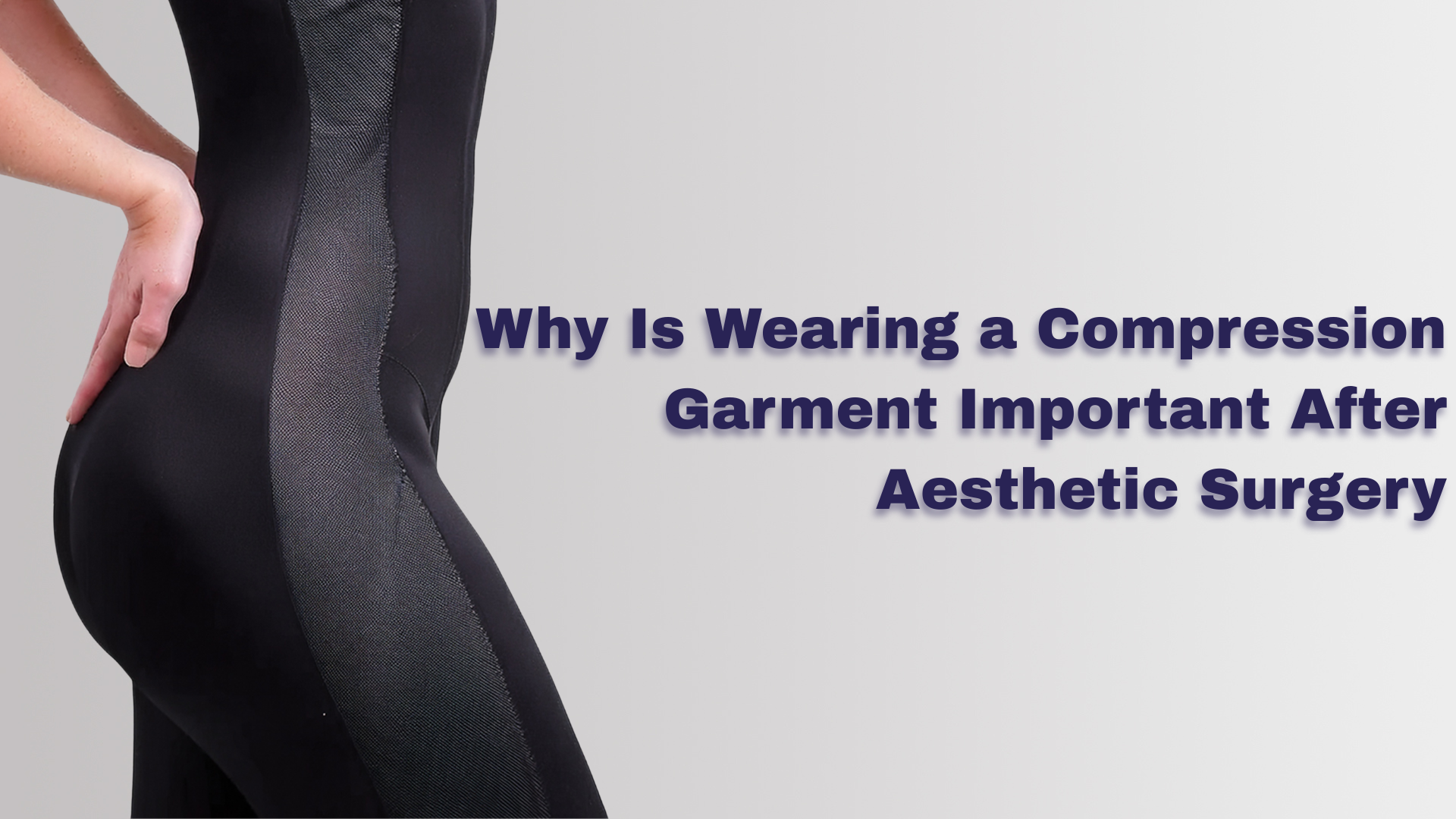
After procedures such as liposuction, tummy tuck, Lipo 360, or BBL, recommended compression garments serve more than just a supportive role.
The main purposes of compression garments are to:
● Help control swelling
● Support tissues as they adapt to their new shape
● Reduce fluid accumulation
● Increase contact between skin and underlying tissue
However, garments should not be excessively tight. The appropriate duration and pressure should always follow the surgeon’s recommendations.
Nutrition and Hydration
Nutrition is often overlooked during postoperative recovery, yet adequate protein and fluid intake are essential for tissue repair.
During this period it is recommended to:
● Consume sufficient protein
● Drink plenty of water
● Avoid excessive salt intake
● Avoid alcohol consumption
● Avoid smoking
Smoking in particular constricts blood vessels, impairs tissue oxygenation, and can delay healing.
Returning to Exercise and Daily Activities
A common question after surgery is: “When can I start exercising again?” The answer varies depending on the type of procedure performed.
In general:
● Light walking may be recommended early in the recovery phase
● Intense exercise is typically resumed after about 4–6 weeks
● Exercises involving abdominal muscles may require a longer delay after tummy tuck procedures
Excessive physical effort too early can increase swelling and the risk of bleeding. Therefore, a gradual and controlled return to activity is essential.
The Psychological Process Is Also Part of Recovery
Recovery after aesthetic surgery involves not only physical healing but also emotional adaptation. In the first weeks, patients may experience:
● Difficulty seeing the final result
● Impatience
● Temporary disappointment
These feelings are normal. Particularly during the phase when swelling is most prominent, patients may not yet see the outcome they expect.
Usually after 4–6 weeks, the changes become more noticeable and psychological relief begins. Understanding that recovery takes time can reduce unnecessary anxiety.
Do Not Skip Follow-Up Appointments
Postoperative follow-up visits are not merely routine—they play an important role in recovery. These appointments allow for:
● Evaluation of the healing process
● Monitoring of swelling and tissue adaptation
● Early detection of potential complications
Following the recommended follow-up schedule helps ensure a safe recovery.
When Should I Contact My Surgeon?
While some symptoms are considered normal after surgery, certain situations require communication with your surgeon.
You should contact your physician if you experience:
● Sudden or increasing pain
● Excessive redness or discharge
● High fever
● Unexpected increase in asymmetry
● Sudden increase in swelling
Early evaluation helps prevent potential problems from progressing.
Recovery Is a Process
Recovery after aesthetic surgery is not completed in just a few days. It takes time for tissues to adapt to their new shape, for swelling to resolve, and for the final contour to appear.
Being patient, following recommendations, and allowing the process to unfold naturally all directly influence the quality of the final result. Surgery marks the beginning of the transformation, while the recovery period is when that transformation settles into place.
Physician Information
Assoc. Prof. Dr. Sedat Tatar is a Plastic, Reconstructive, and Aesthetic Surgery specialist who is Double Board Certified by two international boards. He holds the titles of Fellow of the American College of Surgeons (FACS) and Fellow of the European Board of Plastic, Reconstructive and Aesthetic Surgery (FEBOPRAS).
His international professional memberships include ISAPS (International Society of Aesthetic Plastic Surgery) and ASPS (American Society of Plastic Surgeons).
His clinic is located in Istanbul and is officially authorized by the Turkish Ministry of Health as a Health Tourism Center. His company is registered in the United Kingdom & Wales.
CONTACT INFORMATION
Telephone No : +90 (555) 100 10 83
Contact Link : [email protected]
Address : Levent District, Karanfil Araligi Street No: 18 Besiktas/ISTANBUL