

Why Is Sleeping Position Important After Aesthetic Surgery? What Should Be Considered for Different Areas?
Sleeping position after aesthetic surgery is important for reducing pressure on the operated area, helping control swelling, protecting incision lines, and allowing the patient to rest more comfortably. However, there is no single correct sleeping position that applies after every aesthetic operation. The position recommended after facial surgery may not be appropriate after a tummy tuck or BBL.
Sleeping position alone does not determine the success of surgery, and accidentally waking up in a different position once does not necessarily mean that the surgical result has been compromised. What matters most is maintaining the position recommended by the plastic surgeon as consistently as possible for the specified period. The extent of the operation, the technique used, incision sites, drains, and the patient’s rate of recovery may cause this period to vary from person to person. It is common to require a modified sleeping position during the first few days after plastic surgery procedures.
How Should You Sleep After Facial and Nasal Surgery?
After facelift, neck lift, eyelid surgery, and rhinoplasty, patients are generally advised to sleep on their back with the head elevated. Supporting the head with several pillows or a suitable elevation device may help reduce swelling and bruising in the facial area. The head should not be tilted forward enough to cause neck discomfort; it should remain elevated in a balanced position aligned with the body.
Sleeping on the side may place direct pressure on one side of the face. Particularly during the early period, this pressure may increase tenderness, pain, and the visible difference in swelling between the two sides. After rhinoplasty, sleeping face down is not appropriate because the nose may come into contact with the pillow. Sleeping with additional pillows is among the measures commonly recommended to help control swelling after surgical procedures involving the face and head.
Pillows may be placed on both sides of the body to reduce unintentional turning during sleep. However, narrow supports that create firm pressure around the nose or face should not be used.
Is Sleeping on Your Side Appropriate After Breast Surgery?
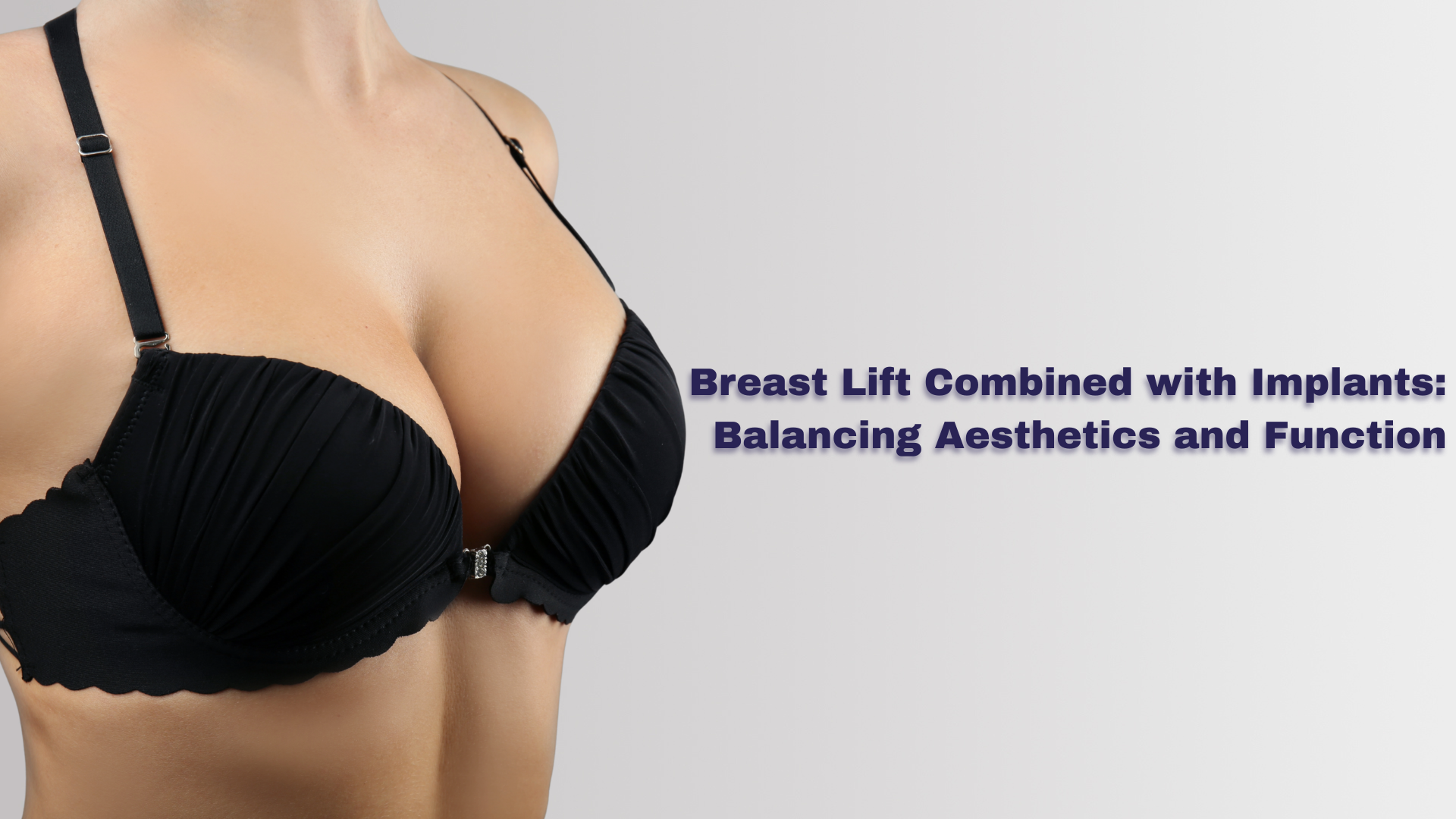
After breast augmentation, breast lift, and breast reduction surgery, patients generally sleep on their back with the upper body slightly elevated during the early period. This position prevents the operated breasts from bearing direct body weight and may help the patient move more comfortably. A temporarily more upright sleeping position may be required after breast surgery.
The timing of when side sleeping can be resumed is not the same for everyone. Incision sites, whether implants were used, whether a lift was performed in addition to augmentation, and the rate of tissue healing all affect this decision. Beginning to sleep on the side before the surgeon gives permission may place greater pressure on one breast and increase discomfort.
Breast implants may commonly appear higher, firmer, or tighter during the first few weeks. It may take several months for the implants to settle into a more natural position as the tissues relax. For this reason, the early appearance should not be attributed solely to sleeping position.
Why Is a Slightly Flexed Position Recommended After a Tummy Tuck?
After excess skin is removed during tummy tuck surgery, the incision line and abdominal tissues may feel tight during the early period. For this reason, patients are generally advised to sleep on their back with the upper body slightly elevated and the knees somewhat bent. Placing a pillow beneath the knees may reduce abdominal discomfort and the sensation of tension along the incision.
When the patient can begin lying completely flat or sleeping face down depends on the surgeon’s assessment. Once the tissues have healed, patients can generally return to their normal sleeping positions; however, there is no fixed timeline that applies to everyone.
When getting out of bed, it may be more comfortable to first turn onto the side, lower the legs off the bed, and use the arms for controlled support rather than sitting up directly by straining the abdominal muscles. Avoiding sudden movements is particularly important during the first few days.
Why Is Sleeping Position Different After BBL?
During BBL surgery, fat cells are transferred to the buttock area. To reduce prolonged direct pressure on the buttocks during the early period, many patients may be advised to sleep face down or on their side in a position appropriate for their surgical plan. Patient information published by the ASPS notes that patients may be advised to sleep on their stomach after BBL until their surgeon allows otherwise.
However, BBL is often performed together with liposuction of the abdomen, waist, or back. As a result, sleeping face down may cause discomfort in areas treated with liposuction. The preferred position should therefore be determined by considering both the areas from which fat was removed and those to which fat was transferred. Instructions regarding sleeping, sitting, and compression garments after BBL may be personalised by the surgeon.
Creating gaps randomly with pillows or leaving the buttocks suspended in an unbalanced position may lead to lower back or neck pain. The correct placement of supports should be explained by the surgical team.
Is There a Single Correct Sleeping Position After Liposuction?
Liposuction may be performed on different areas such as the abdomen, waist, back, arms, legs, or under the chin. For this reason, it is not appropriate to recommend the same sleeping position to every liposuction patient. The aim is to reduce uncomfortable pressure on treated areas while resting without causing the compression garment to fold or creating a position that interferes with circulation.
Sleeping on the back may be appropriate after abdominal liposuction, while the same position may be uncomfortable for a patient whose back has been treated. When several areas are treated, the most suitable position should be determined according to the surgeon’s treatment map. Adequate sleep and rest are important parts of recovery; however, rather than remaining completely inactive throughout the day, short walks should be taken as permitted.
How Long Should the Recommended Sleeping Position Be Maintained?
There is no single answer that applies to every operation. Some patients may require a special position for only a few days, while others may need to maintain it for several weeks. During follow-up appointments, swelling, incision lines, pain, tissue healing, and any additional procedures are assessed to determine when the patient can return to their normal sleeping routine.
Patients should not change position too early simply because they feel well. Likewise, if they are still forced to remain in a particular position because of pain after a prolonged period, they should consult their surgeon. Sleeping pills or sedatives should not be used without medical approval.
The Correct Position Is Part of a Personalised Recovery Plan
The purpose of a specific sleeping position after aesthetic surgery is not to make the patient uncomfortable, but to protect the operated area during the sensitive stages of healing. Elevating the head after facial surgery, reducing pressure on the breasts after breast surgery, keeping the body slightly flexed after a tummy tuck, and limiting direct pressure on the buttocks after BBL all reflect different anatomical needs.
When several procedures are performed together, general recommendations found online may not be sufficient. The safest approach is to learn from the plastic surgeon before discharge how to sleep, where pillows should be placed, and when it is appropriate to return to a normal sleeping position.
Physician Information
Assoc. Prof. Dr. Sedat Tatar is a Plastic, Reconstructive, and Aesthetic Surgery specialist who is Double Board Certified by two international boards. He holds the titles of Fellow of the American College of Surgeons (FACS) and Fellow of the European Board of Plastic, Reconstructive and Aesthetic Surgery (FEBOPRAS).
His international professional memberships include ISAPS (International Society of Aesthetic Plastic Surgery) and ASPS (American Society of Plastic Surgeons).
His clinic is located in Istanbul and is officially authorized by the Turkish Ministry of Health as a Health Tourism Center. His company is registered in the United Kingdom & Wales.
CONTACT INFORMATION
Telephone No : +90 (555) 100 10 83
Contact Link : [email protected]
Address : Levent District, Karanfil Araligi Street No: 18 Besiktas/ISTANBUL