
Can the Same Aesthetic Approach Be Applied to Every Body? Artificial Intelligence and Standardised Beauty Perception
The same aesthetic procedure or surgical plan cannot be applied to every body. Even when two people want a similar appearance, the appropriate approach may differ because bone structure, skin quality, fat distribution, muscle anatomy, and body proportions are different. Idealised images generated by artificial intelligence may reduce these biological differences and present more standardised waist, abdominal, breast, or facial proportions. For this reason, such an image should not be accepted as a direct surgical target.
Artificial intelligence generates new images based on common features found across large numbers of images; it does not physically examine the tissues of a real patient. In plastic surgery, the aim is not to copy an image onto another body, but to determine which changes are possible and appropriate within the individual’s existing anatomy.
Why Does the Same Aesthetic Procedure Not Produce the Same Result in Every Body?
Even when the name of the operation is the same, the starting anatomy is different. For example, in one patient planning a tummy tuck, the main problem may be excess skin in the lower abdomen, while another patient may also have separation of the abdominal muscles, fat around the waist, or more extensive skin laxity.
Similarly, the result of liposuction is not determined solely by the amount of fat removed. How well the skin retracts, the distribution of the fat layer, and the underlying musculoskeletal structure all affect the final contour. For this reason, the same technique is not applied to everyone to the same extent in plastic surgery. The scope of the procedure is adjusted according to the existing anatomical problem.
What Determines Body Proportions?
The appearance of the body is not determined by body fat alone. Pelvic width, rib cage structure, shoulder shape, torso length, and muscle distribution form the individual’s basic body framework.
For example, in someone with a narrower pelvis, it may not be possible to create another person’s waist-to-hip ratio simply by removing fat. Likewise, the width of the rib cage affects breast shape and breast implant planning.
Surgery can significantly alter the distribution of soft tissues, but it cannot ignore the underlying skeletal anatomy. For this reason, surgical goals should be compatible with the individual’s existing body structure.
Why Is Skin Quality So Important?
One of the main reasons why two bodies can respond differently after the same amount of fat is removed is skin quality. Skin with good elasticity may adapt more effectively to reduced volume, while skin that is already loose or has been stretched for a long time may not contract in the same way.
Age, genetic characteristics, pregnancy, major weight fluctuations, sun damage, and smoking may all affect skin quality. Particularly in patients who have experienced major weight loss, a significant amount of excess skin may remain even after fat volume has decreased.
In such cases, attempting to create a firmer appearance with liposuction alone may not be sufficient. Energy-based methods may be considered for mild laxity, while surgical options involving skin removal may become more appropriate when there is significant excess skin.
Why Can Artificial Intelligence Generate More Standardised Bodies?
Image-generating artificial intelligence systems work by learning patterns from the visual data on which they were trained. As a result, the “ideal” or “aesthetic” images they produce may represent certain body types, age groups, or physical characteristics more frequently than others.
Research examining AI-generated images in aesthetic surgery has shown imbalances in the representation of age, sex, and certain physical characteristics, and has suggested that some systems may gravitate towards more standardised beauty features.
This does not mean that artificial intelligence consciously selects a single beauty standard. Rather, it reflects patterns in the training data and the way the system generates images.
Can an AI-Generated Appearance Be Used as a Surgical Goal?
An AI-generated image may be used as a communication tool to explain what kind of change the patient likes. For example, a patient may use such an image to show that they want a more defined waistline or a more balanced breast volume.
However, the image does not represent an anatomically achievable surgical plan. Artificial intelligence can narrow the waist, widen the hips, make the skin completely smooth, or alter body proportions without considering skeletal structure.
Real surgery, however, is limited by biological factors such as tissue circulation, excess skin, wound healing, safe limits of fat removal, and skeletal anatomy. A digital image is not required to follow these limitations.
Can the Appearance in the Same Photograph Be Reproduced in Another Patient?
Generally, no. Another patient’s postoperative photograph or an AI-generated image is not a template that guarantees the same result in someone else.
For example, a pronounced hourglass appearance is not determined solely by the amount of fat around the waist. Rib cage structure, pelvic width, torso length, and buttock volume all contribute to this appearance. The same liposuction technique may therefore create different silhouettes when applied to different skeletal structures.
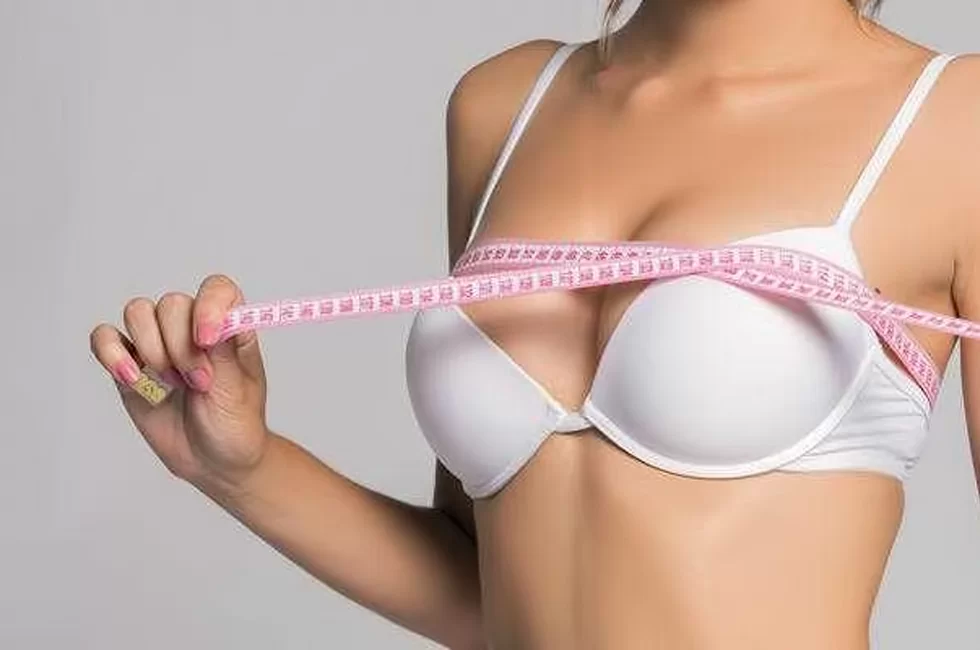
The same principle applies to breast surgery. The same implant volume does not create the same appearance on different chest widths or in patients with different amounts of existing breast tissue.
Why Can a Standard Beauty Goal Conflict with Clinical Planning?
Trying to apply a single ideal proportion to every patient may ignore the natural balance of individual anatomy. The aim of aesthetic surgery should not be to make every patient resemble the same body type.
In some individuals, a more defined waistline may be anatomically achievable, while in another person the same degree of narrowing may be unnatural or unsafe. Likewise, there is no single ideal measurement for breast volume, buttock projection, or abdominal flatness.
In addition to anatomical suitability, the individual’s expectations are also important. One patient may want a more noticeable change, while another may prefer a more limited contour adjustment.
How Is a Realistic Aesthetic Plan Created?
Aesthetic planning should begin with assessing the individual’s existing anatomy rather than attempting to achieve a digital ideal. The first step is to determine whether the main issue is excess skin, localised fat, volume loss, or a combination of these concerns.
The next step is to evaluate clearly which changes a procedure can achieve and which anatomical characteristics cannot be changed surgically. Reference photographs, simulations, and AI-generated images may help communicate expectations, but they cannot replace a medical examination.
Because every body has a different starting point, the appropriate aesthetic goal should not come from a standardised beauty template. It should be based on a combined assessment of body proportions, tissue characteristics, safety limits, and the individual’s own expectations.
Physician Information
Assoc. Prof. Dr. Sedat Tatar is a Plastic, Reconstructive, and Aesthetic Surgery specialist who is Double Board Certified by two international boards. He holds the titles of Fellow of the American College of Surgeons (FACS) and Fellow of the European Board of Plastic, Reconstructive and Aesthetic Surgery (FEBOPRAS).
His international professional memberships include ISAPS (International Society of Aesthetic Plastic Surgery) and ASPS (American Society of Plastic Surgeons).
His clinic is located in Istanbul and is officially authorized by the Turkish Ministry of Health as a Health Tourism Center. His company is registered in the United Kingdom & Wales.
CONTACT INFORMATION
Telephone No : +90 (555) 100 10 83
Contact Link : [email protected]