Facial Fat Transfer: Which Areas Can It Treat and Which Procedures Can It Be Combined With?
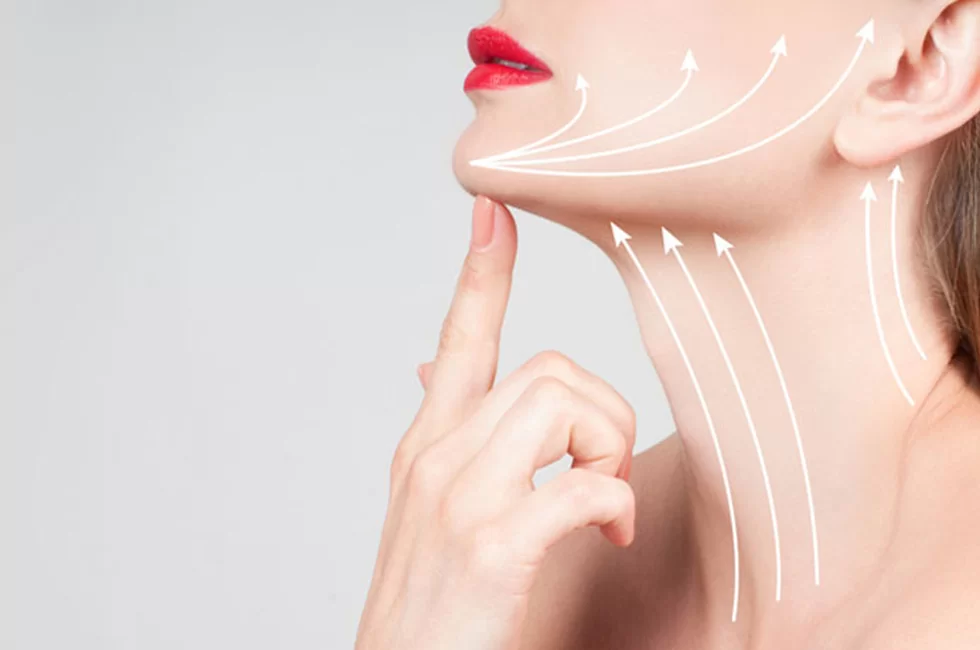
Facial fat transfer is one of the most popular and effective techniques in aesthetic surgery. In this procedure, fat taken from the patient’s own body is injected into the face to restore lost volume, rejuvenate facial contours, and create a younger and fresher appearance. Over time, aging, weight changes, and gravity may cause volume loss, wrinkles, and sagging, giving the face a tired and older look.
With fat injection, the face regains fullness, vitality, and a more youthful expression. Moreover, the treatment is not limited to a single area—fat can be injected into multiple facial regions and may be combined with other aesthetic procedures for even more impressive results.
What Is Facial Fat Transfer?
Facial fat transfer involves removing fat from areas such as the abdomen, waist, or thighs using liposuction, processing and purifying it, and injecting it into targeted regions of the face.
- It is a natural filler, since it comes from the patient’s own body
- It poses no allergy risk, unlike synthetic fillers
- It offers long-lasting, often permanent results, as a portion of the injected fat survives for life
Which Areas Can Fat Be Injected Into?
Fat grafting can be applied to many areas of the face. The most commonly treated regions include:
1. Cheeks
With aging, cheek volume decreases and the face may appear saggy and tired. Fat transfer restores fullness, providing a younger and more lifted facial look.
2. Cheekbones (Midface)
Well-defined cheekbones significantly enhance facial aesthetics. Fat transfer helps create a more contoured, attractive midface.
3. Lips
For fuller and naturally shaped lips, fat transfer is a long-lasting alternative to temporary fillers.
4. Under-Eye Hollows
Hollow or sunken under-eyes create a tired expression. Fat transfer smooths this area and brightens the overall facial appearance.
5. Chin and Jawline
Enhancing the chin adds balance to the facial profile, while jawline fat transfer helps achieve a sharper, more youthful contour.
6. Temples
Volume loss in the temples can make the face look older and gaunt. Fat transfer restores fullness and harmony.
7. Nasolabial Folds
The deepening smile lines between the nose and mouth can be softened effectively with fat injection.
Combining Facial Fat Transfer With Other Aesthetic Procedures
Fat transfer is highly effective on its own, but when combined with certain procedures, results become even more harmonious and powerful.
1. Facelift
While a facelift tightens sagging tissues, fat transfer replenishes lost volume. Together, they provide a more comprehensive rejuvenation.
2. Blepharoplasty (Eyelid Surgery)
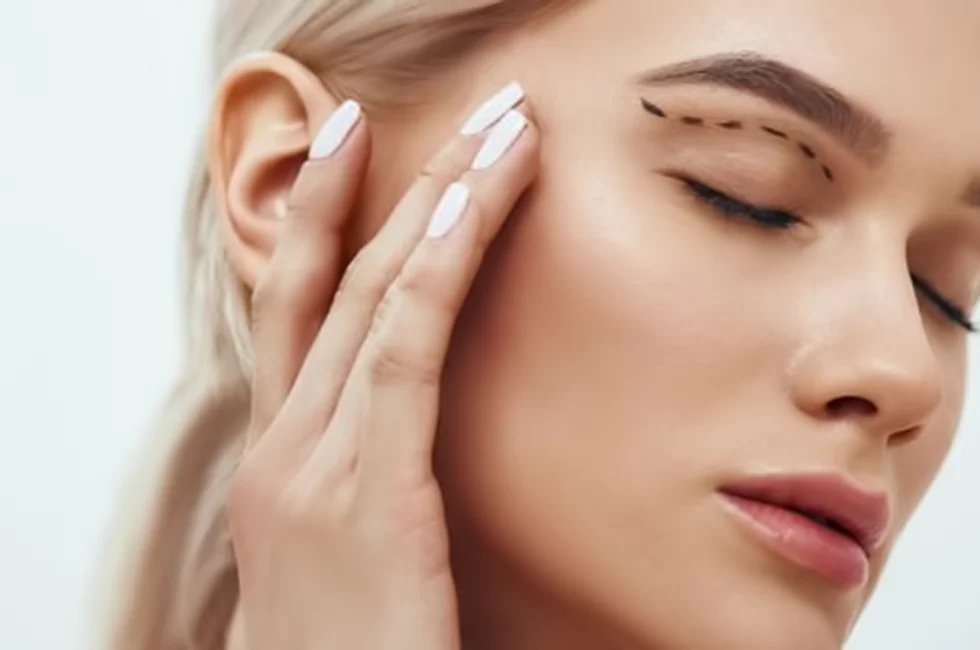
During eyelid surgery, fat transfer to the under-eye or midface area enhances rejuvenation around the eyes.
3. Rhinoplasty
After nose surgery, fat transfer to the chin or cheekbones helps improve overall facial balance.
4. Fillers and Botox
Fat restores volume, while Botox smooths wrinkles, making this combination ideal for full-face rejuvenation.
5. PRP and Mesotherapy
Since fat contains regenerative stem cells, combining it with PRP or mesotherapy can further enhance skin quality.
Recovery After Facial Fat Transfer
- Swelling and bruising: Common in the first days and typically improve within 1–2 weeks
- Fat survival rate: About 60–70% of injected fat is permanent
- Final results: Become evident within 2–3 months
- Longevity: Surviving fat cells remain permanently
Patients are advised to avoid smoking and alcohol, maintain healthy nutrition, and follow their surgeon’s recommendations for best outcomes.
Using Fat Taken During Liposuction for Facial Aesthetics
Fat removed via liposuction is not only useful for body contouring—it can also be used to rejuvenate and enhance the face. After purification, this fat is injected into areas such as the cheeks, cheekbones, lips, under-eyes, and jawline to restore natural volume.
This makes fat transfer an ideal option for those seeking natural, long-lasting, and biocompatible facial enhancement instead of temporary filler treatments.
Frequently Asked Questions About Facial Fat Transfer
Is fat transfer permanent?
Yes. A significant portion of the injected fat remains permanently.
Is the procedure painful?
It is usually performed under local anesthesia and discomfort is minimal.
Is one session enough?
Most patients achieve desired results in one session, though additional sessions can be done if needed.
Is fat transfer better than filler?
For patients seeking longer-lasting, natural results, fat transfer is often the better choice.
Does the fat dissolve over time?
A portion is absorbed in the first months, but the remaining fat survives long term.
Natural and Long-Lasting Results With the Right Planning
Facial fat transfer is a highly effective and natural method to address facial volume loss and rejuvenation. It can be performed alone or combined with facelift, eyelid surgery, Botox, PRP, or other procedures for enhanced outcomes.
With proper planning, an experienced plastic surgeon, and appropriate postoperative care, patients can achieve natural, balanced, and long-lasting facial rejuvenation results.
Physician Information
Assoc. Prof. Dr. Sedat Tatar is a Plastic, Reconstructive, and Aesthetic Surgery specialist who is Double Board Certified by two international boards. He holds the titles of Fellow of the American College of Surgeons (FACS) and Fellow of the European Board of Plastic, Reconstructive and Aesthetic Surgery (FEBOPRAS).
His international professional memberships include ISAPS (International Society of Aesthetic Plastic Surgery) and ASPS (American Society of Plastic Surgeons).
His clinic is located in Istanbul and is officially authorized by the Turkish Ministry of Health as a Health Tourism Center. His company is registered in the United Kingdom & Wales.
CONTACT INFORMATION
Telephone No : +90 (555) 100 10 83
Contact Link : [email protected]
Address : Levent District, Karanfil Araligi Street No: 18 Besiktas/ISTANBUL