
Is There an Age Limit for Aesthetic Surgery? Is Age or Suitability More Important in Surgical Decision-Making?
One of the most frequently asked questions among people considering aesthetic surgery is whether there is a specific age limit for an operation. Age may become an important decision criterion, particularly for young people considering rhinoplasty, women planning body contouring after childbirth, or older individuals considering facial rejuvenation surgery. However, chronological age alone is often not a sufficient assessment criterion in aesthetic surgery.
A common misconception is that aesthetic procedures are suitable only for certain age groups. In plastic surgery, however, what matters is not only a person’s age but also whether anatomical development is complete, their general health, tissue quality, expectations, and suitability for surgery. Surgery may be appropriate at a young age in some cases, while it may be safely considered at an older age in others.
Particularly in the age of social media, age can sometimes be misinterpreted. The normalization of aesthetic procedures at a very young age and the belief that surgery at an older age is “too late” may create an unrealistic perception. In aesthetic surgery, the right timing depends not only on age but also on the person’s biological condition and individual needs.
Is There a Definite Age Limit in Aesthetic Surgery?
The short answer to this question is generally “no.” There is no single age limit that applies to every aesthetic procedure. Each operation has its own anatomical, physiological, and ethical assessment criteria.
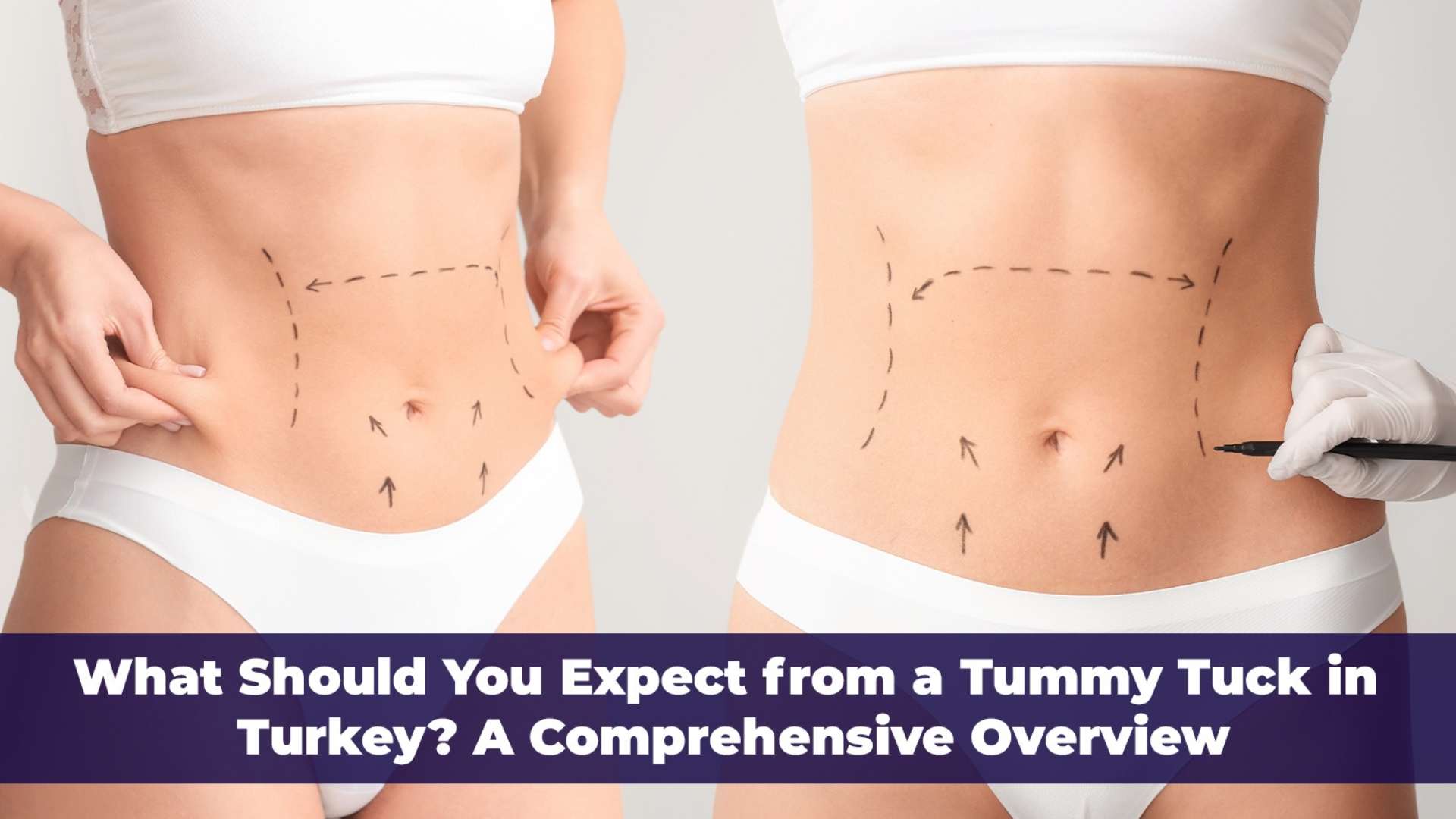
For example, age-related assessments for facial surgery, breast surgery, tummy tuck, and eyelid surgery may differ. This is because each procedure is associated with different stages of anatomical development and different needs.
The following criteria are generally evaluated together during surgical planning:
● Completion of anatomical development
● Suitability of the patient’s general health
● Realistic expectations
● Acceptable surgical risks
● Psychological preparedness and decision-making maturity
● Healing capacity
For this reason, focusing only on a person’s numerical age may result in an incomplete assessment.
When Can Aesthetic Surgery Be Considered at a Young Age?
Certain aesthetic procedures may be considered at a young age. However, the person’s desire for surgery is not the only criterion. Completion of anatomical development is an important determining factor.
For example:
Rhinoplasty
The nose should have largely completed its development. Although this process varies from person to person, assessment is generally performed after puberty.
Breast Surgery
Completion of breast development is important. Different assessments may be required for conditions such as breast reduction or significant asymmetry at a young age.
Otoplasty
In some cases, otoplasty may even be planned during childhood. This is because ear development is completed earlier and the social effects can be taken into consideration. However, there is a particularly important point regarding younger patients: the decision to undergo surgery should not be based solely on a temporary concern about appearance.
The influence of social media, filters, and temporary trends may cause some people to make rapid decisions. For this reason, the person’s expectations, decision-making maturity, and long-term perspective are carefully evaluated during surgical planning. Requests focused on a “trendy appearance” should be approached cautiously in plastic surgery. Facial and body trends may change, but surgical changes have longer-lasting effects.
What Is the Approach to Aesthetic Surgery in the 30s and 40s?
Many aesthetic procedures are most frequently requested by people in their 30s and 40s. This is often because life-related changes become more noticeable during this period.
Surgery may be planned for reasons including:
● Post-pregnancy body changes
● Loss of breast volume or sagging
● Abdominal muscle separation
● Resistant localized fat deposits
● Facial volume loss and the early stages of skin laxity
In this age group, surgical planning is generally based on a more structural need. Mommy Makeover, tummy tuck, breast surgery, and liposuction procedures are frequently considered.
However, the important factors are not age but the person’s:
● Weight stability
● Pregnancy plans
● Skin quality
● General health
For example, the timing of a tummy tuck may need to be reconsidered for someone planning another pregnancy.
Can Aesthetic Surgery Be Performed After the Age of 50?
Although it is widely believed that aesthetic surgery is not possible at an older age, this is not always true. Many people may consider aesthetic procedures in their 50s, 60s, or even later in some cases. What matters is not chronological age but biological suitability.
The following factors are particularly assessed:
● Heart health
● Lung capacity
● Control of diabetes or hypertension
● Smoking
● Blood test results
● Healing capacity
Some older individuals may have very good overall health, while certain younger patients may have higher surgical risks.
Procedures commonly planned for older age groups may include:
● Facelift
● Neck lift
● Eyelid surgery
● Breast surgery
● Body contouring procedures
However, expectation management becomes even more important in this age group. The aim is generally not to “look young” but to achieve a more balanced and rested appearance that is compatible with the person’s existing anatomy.
Which Factors Are More Important Than Age in Surgical Decision-Making?
Making a decision about aesthetic surgery based solely on age can often be misleading. Suitability assessments in plastic surgery are much more comprehensive.
General Health
Chronic conditions should be under control. In some cases, additional preoperative assessments may be required.
Tissue Quality
Skin elasticity, wound-healing capacity, and anatomical structure can influence surgical planning.
Smoking
Smoking may affect circulation and delay wound healing. This is an important factor, particularly in facelift, tummy tuck, and breast surgery.
BMI and Weight Stability
Being within a certain weight range may be more appropriate for some procedures. Timing may need to be reconsidered for people who have recently experienced rapid weight changes.
Expectations
Realistic expectations are among the most important factors in aesthetic surgery. Understanding the limitations of surgery plays an important role in patient satisfaction.
Psychological Preparedness
It is important that the decision belongs to the individual and is not made because of external pressure. The tendency to make rushed decisions under the influence of social media should be carefully evaluated.
Are the Thoughts “I Am Too Old” or “It Is Still Too Early” Always Correct?
When considering an aesthetic procedure, many people may find themselves between two opposing thoughts:
● “It is now too late for me to have this surgery”
● “It may be too early, but I want it”
However, the right timing in plastic surgery varies from person to person.
For some people, early intervention with more limited procedures may be sufficient, while waiting may be more appropriate for others. Similarly, surgery at an older age may be planned safely through appropriate patient selection.
What matters is the compatibility between the person’s:
● Anatomical needs
● Health status
● Expectations
● Surgical goals
For this reason, a comprehensive assessment provides a more appropriate basis for decision-making than age alone.
Is Age or Suitability More Important in Surgical Decision-Making?
Age alone is generally not the determining factor in aesthetic surgery. Surgical planning is based on a combined assessment of the person’s general health, anatomical structure, healing capacity, and expectations. Just as every procedure may not be appropriate at a young age, older age does not automatically prevent surgery.
What matters is planning the operation at the right time for a suitable candidate. Realistic expectations, comprehensive assessment, and an individualized approach may be far more important than age. The goal of aesthetic surgery is not only to change appearance but also to achieve safety, anatomical harmony, and balanced long-term results.
Physician Information
Assoc. Prof. Dr. Sedat Tatar is a Plastic, Reconstructive, and Aesthetic Surgery specialist who is Double Board Certified by two international boards. He holds the titles of Fellow of the American College of Surgeons (FACS) and Fellow of the European Board of Plastic, Reconstructive and Aesthetic Surgery (FEBOPRAS).
His international professional memberships include ISAPS (International Society of Aesthetic Plastic Surgery) and ASPS (American Society of Plastic Surgeons).
His clinic is located in Istanbul and is officially authorized by the Turkish Ministry of Health as a Health Tourism Center. His company is registered in the United Kingdom & Wales.
CONTACT INFORMATION
Telephone No : +90 (555) 100 10 83
Contact Link : [email protected]
Address : Levent District, Karanfil Araligi Street No: 18 Besiktas/ISTANBUL