
Non-Surgical Aesthetic Treatments or Surgical Procedures: Which Is the Right Choice?
In recent years, the field of aesthetics has expanded significantly. While non-surgical aesthetic treatments such as Botox, dermal fillers, thread lifts, and device-based therapies have become increasingly popular, surgical aesthetic procedures continue to stand out for their permanence and comprehensive results. As a result, many people ask the same question: “Which option is right for me?”
Although non-surgical treatments may offer quick and convenient solutions in certain cases, surgical aesthetic procedures remain the most effective option for long-lasting and transformative results.
Non-Surgical Aesthetic Treatments
Non-surgical aesthetic treatments generally involve minimally invasive procedures that do not require incisions and have short recovery times. The most common options include:
- Botox injections
- Hyaluronic acid dermal fillers
- Thread lifting techniques
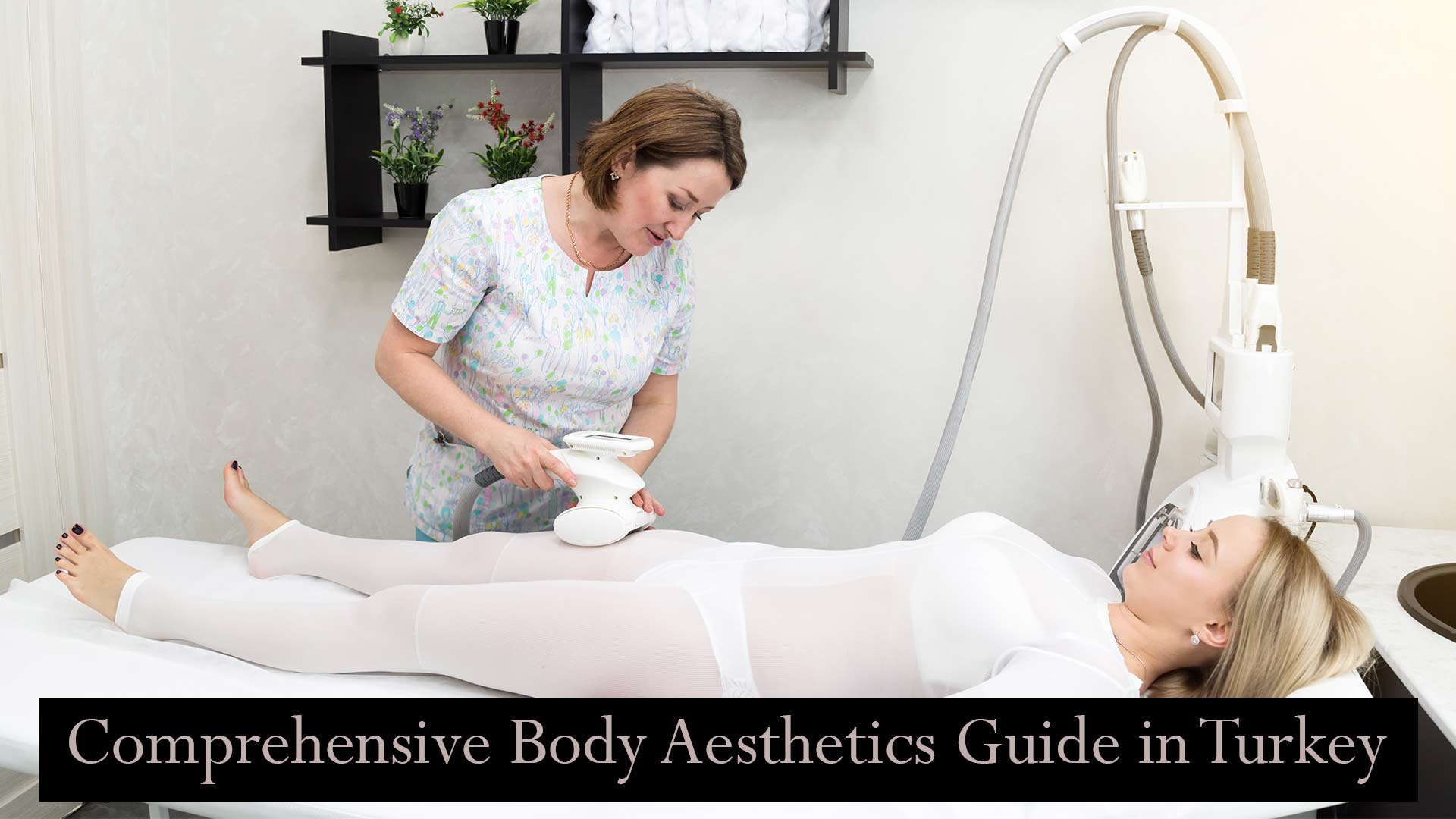
- Laser and radiofrequency devices
- Mesotherapy and PRP treatments
Advantages
- Short treatment time
- Quick return to social and professional life
- Usually performed in an outpatient or office setting
Disadvantages
- Results are temporary
- Repeated sessions are required
- Limited effectiveness for advanced deformities
- Surgical intervention may still be needed if expectations are not met
Surgical Aesthetic Procedures
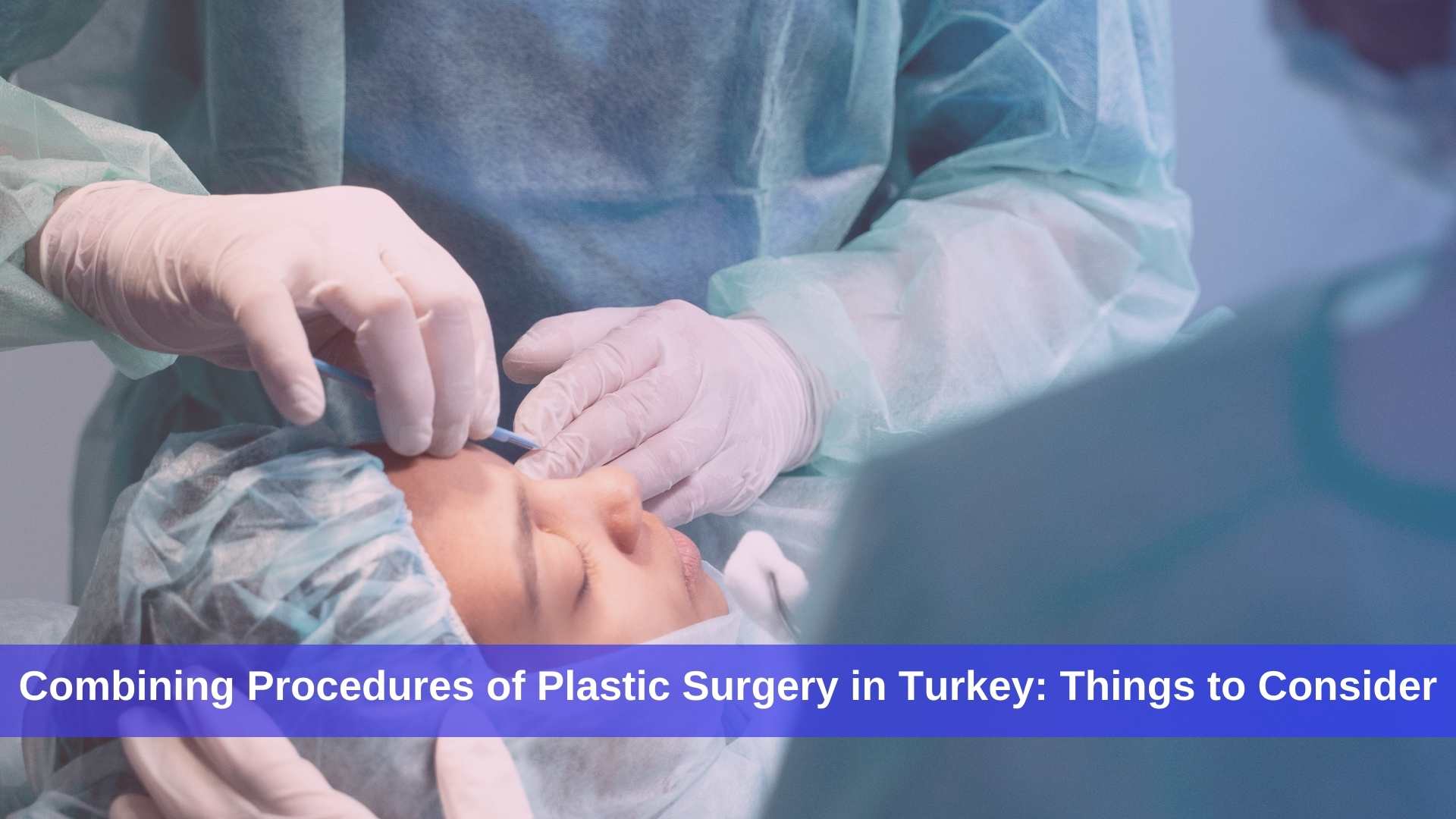
Surgical aesthetic procedures provide more comprehensive and permanent solutions. These include rhinoplasty, tummy tuck, breast surgery, liposuction, facelift, and Brazilian Butt Lift (BBL).
Advantages
- Long-lasting and often permanent results
- Significant transformation with a single procedure
- Effective for advanced deformities
- Ability to reshape body contours in a meaningful way
Factors often perceived as disadvantages—such as anesthesia and recovery time—are minimized when procedures are performed by experienced surgeons and are outweighed by the durability of the results.
Comparison: Non-Surgical Treatments vs. Surgical Procedures
1. Longevity of Results
- Non-surgical treatments: Effects typically last between 6 months and 2 years
- Surgical procedures: Results last for many years and are often permanent
2. Level of Impact
- Non-surgical treatments: Provide subtle improvements
- Surgical procedures: Offer dramatic and structural transformation
3. Cost Considerations
- Non-surgical treatments: May seem more affordable initially, but repeated sessions increase long-term costs
- Surgical procedures: Usually one-time interventions with long-term value
4. Recovery Process
- Non-surgical treatments: Minimal downtime and quick return to daily life
- Surgical procedures: Require several weeks of recovery, compensated by lasting outcomes
The Role of Surgery in Aesthetic Treatments
1. Permanence
A single surgical procedure can deliver results that last for many years.
2. Comprehensive Correction
Concerns such as skin laxity, muscle separation, and excess tissue can only be fully corrected through surgery.
3. Natural-Looking Results
Experienced plastic surgeons aim for results that are harmonious with facial and body proportions.
4. Personalized Planning
Surgical plans are tailored to each patient through detailed preoperative analysis.
5. No Need for Repetition
Unlike non-surgical treatments, surgery does not require regular maintenance sessions.
Practical Examples
- Nose reshaping: Dermal fillers can provide minor adjustments, but permanent and functional correction is only possible with rhinoplasty
- Abdominal contouring: Laser tightening may help mild laxity, but post-pregnancy muscle separation and excess skin require tummy tuck surgery
- Facial rejuvenation: Botox and fillers are effective for fine lines, while significant sagging is best addressed with facelift surgery
Frequently Asked Questions
Can non-surgical treatments achieve the same results as surgery?
No. Non-surgical treatments are suitable only for minor corrections and cannot replicate the permanent and comprehensive results of surgery.
Will surgical procedures leave scars?
Surgical scars are strategically placed and tend to fade over time, becoming less noticeable.
Is it sensible to start with non-surgical treatments?
They can be beneficial for mild concerns, but may delay effective treatment in more advanced cases.
When are surgical results visible?
Final results appear after swelling subsides and the healing process is complete.
Is surgery riskier?
When performed by an experienced and qualified surgeon, risks are minimized. The long-term satisfaction and permanence often outweigh potential risks.
The Advantages of Surgical Aesthetic Procedures
While non-surgical aesthetic treatments may offer quick improvements, their effects are temporary and limited. Surgical aesthetic procedures provide permanent, comprehensive, and transformative results. For correcting significant deformities, reshaping body contours, and achieving long-term satisfaction, surgery remains the most effective option.
With proper planning, a professional approach, and an experienced plastic surgeon, aesthetic surgery can create lasting improvements—not only in appearance but also in overall quality of life.
Physician Information
Assoc. Prof. Dr. Sedat Tatar is a Plastic, Reconstructive, and Aesthetic Surgery specialist who is Double Board Certified by two international boards. He holds the titles of Fellow of the American College of Surgeons (FACS) and Fellow of the European Board of Plastic, Reconstructive and Aesthetic Surgery (FEBOPRAS).
His international professional memberships include ISAPS (International Society of Aesthetic Plastic Surgery) and ASPS (American Society of Plastic Surgeons).
His clinic is located in Istanbul and is officially authorized by the Turkish Ministry of Health as a Health Tourism Center. His company is registered in the United Kingdom & Wales.
CONTACT INFORMATION
Telephone No : +90 (555) 100 10 83
Contact Link : [email protected]