
The Use of Artificial Intelligence in Plastic Surgery: How Does AI Affect the Consultation Process?
Artificial intelligence has begun to change the way patients research aesthetic surgery. Before meeting with a plastic surgeon, patients can now ask AI assistants about procedures they are considering, obtain explanations of medical terminology and request assessments based on their photographs. Some tools can also generate images that claim to represent how a patient may look after surgery.
These possibilities may help patients arrive at a consultation better prepared. However, the information provided by artificial intelligence may also lead a patient to believe that they need a particular operation before they have even been examined. The role of artificial intelligence in the consultation process should therefore be considered in terms of both the convenience it offers and its limitations.
Can Artificial Intelligence Prepare a Patient for a Consultation?
Patients may have many questions before a plastic surgery consultation. They may want to know how an operation is performed, how long recovery takes, which procedures can be combined and where the surgical scars will be located. Artificial intelligence may help patients prepare for the consultation by providing general information on these subjects.
Explaining medical concepts in more accessible language may also make communication easier during the consultation. A patient who has already learned the basic difference between a tummy tuck and liposuction may find it easier to understand the surgical plan explained during the examination. Artificial intelligence may also help patients organise the questions they would like to ask.
However, preparing for a consultation is not the same as making a surgical decision before the consultation. A patient who has obtained information from artificial intelligence should attend the consultation without assuming that the procedure they believe to be suitable has already been confirmed.
How Does Artificial Intelligence Affect Patient Expectations?
Artificial intelligence assistants may highlight certain operations based on the information provided by the patient. They may explain tummy tuck surgery to someone who mentions excess abdominal skin or provide information about liposuction to someone describing localised fat deposits. The patient may interpret these responses as a personal surgical recommendation.
However, the same external appearance may result from different anatomical causes. The appropriate procedure cannot be determined without assessing skin quality, the location of fat tissue, muscle structure and medical history. A general response generated by artificial intelligence is not the same as an individualised surgical plan prepared after a physical examination.
When a patient attends the consultation thinking, “Artificial intelligence told me that I need this operation,” rather than asking, “Which procedure may be suitable for me?”, they may be less open to alternative options. This can make the assessment of expectations during the consultation more difficult.
Do Artificial Intelligence Images Create Realistic Expectations?
Simulations generated by artificial intelligence may visualise desired changes to the face or body. However, these images are not actual surgical plans. In a digital environment, the waist can be narrowed, buttock volume can be increased, the shape of the nose can be altered or excess skin can be removed completely.
In real surgery, the patient’s anatomy, tissue capacity, blood supply, healing characteristics and safe surgical limits must all be considered. The fact that an AI-generated image appears realistic does not mean that the change it presents is medically achievable.
Patients who bring these images to a consultation may believe that the same appearance can be reproduced exactly after surgery. The plastic surgeon’s role is to compare the expectation shown in the image with the patient’s anatomical characteristics and explain which changes may realistically be possible.
Why Does a Consultation Require a Physical Examination?
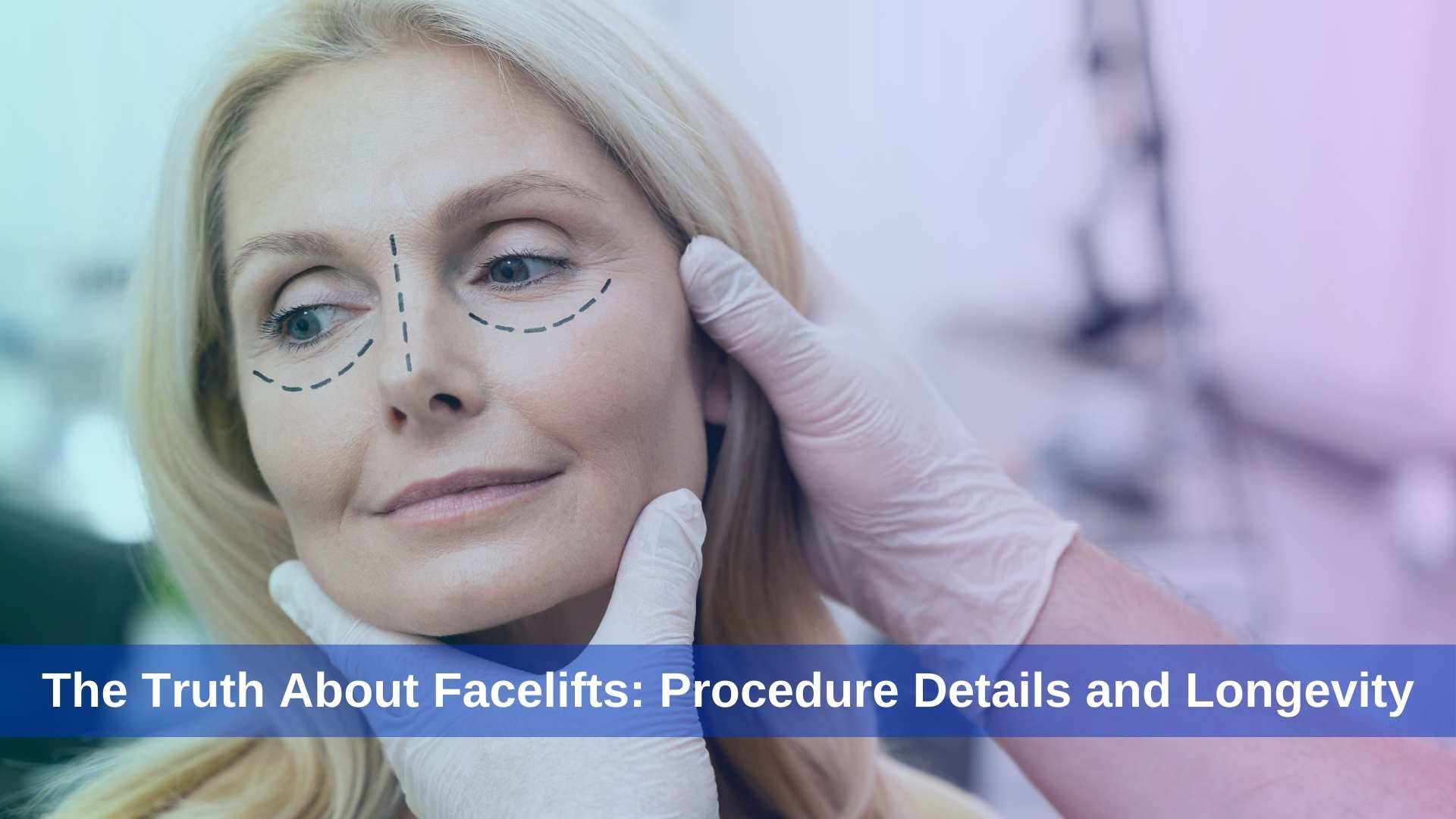
A plastic surgery consultation is not simply a discussion about the appearance the patient would like to achieve. The plastic surgeon reviews the patient’s medical history, examines the relevant area and evaluates the suitability of different surgical options. Skin elasticity, tissue thickness, muscle structure, asymmetries and scars from previous operations are assessed.
Artificial intelligence may analyse photographs, but it cannot touch the skin, feel how the tissues move or observe how the body changes in different positions. It also cannot evaluate the effect of the patient’s general health on surgery in the same way as a physician. For this reason, consulting a doctor is considerably more important than obtaining an opinion from artificial intelligence.
Communication Between the Patient and the Plastic Surgeon
A consultation addresses not only which procedures may be performed, but also why the patient wants surgery and what kind of change they expect. When expectations are unrealistic, the surgeon can explain this and may decide not to recommend surgery. This decision is based not only on clinical assessment but also on communication with the patient.
Artificial intelligence can interpret written statements, but it cannot fully understand the patient’s hesitation, body language or emotional responses. It cannot independently determine whether a technically possible procedure is genuinely appropriate for that patient.
What Should the Role of Artificial Intelligence Be in the Consultation Process?
Artificial intelligence may serve as a supportive tool that helps patients obtain information and prepare for a consultation with greater awareness. However, it should not recommend surgery without examining the patient, create a definitive surgical plan or present generated images as guaranteed targets.
In plastic surgery, artificial intelligence may assist with preparation for a consultation, but it cannot conduct the consultation itself. An individualised decision should not be based on AI-generated recommendations. It should be made following a physical examination by a plastic surgeon and a comprehensive assessment carried out together with the patient.
Physician Information
Assoc. Prof. Dr. Sedat Tatar is a Plastic, Reconstructive, and Aesthetic Surgery specialist who is Double Board Certified by two international boards. He holds the titles of Fellow of the American College of Surgeons (FACS) and Fellow of the European Board of Plastic, Reconstructive and Aesthetic Surgery (FEBOPRAS).
His international professional memberships include ISAPS (International Society of Aesthetic Plastic Surgery) and ASPS (American Society of Plastic Surgeons).
His clinic is located in Istanbul and is officially authorized by the Turkish Ministry of Health as a Health Tourism Center. His company is registered in the United Kingdom & Wales.
CONTACT INFORMATION
Telephone No : +90 (555) 100 10 83
Contact Link : [email protected]
Address : Levent District, Karanfil Araligi Street No: 18 Besiktas/ISTANBUL