

Why Is Early Walking Important After Aesthetic Surgery?
Early walking after aesthetic surgery is important because it supports circulation, reduces prolonged immobility, and may help lower the risk of blood clot formation, particularly in the deep veins of the legs. However, “early walking” does not mean walking long distances immediately after surgery or beginning exercise. The aim is to start mobility with short and controlled walks when the patient’s general condition and the procedure performed allow it.
When walking should begin and how much should be done may vary depending on procedures such as tummy tuck, liposuction, Mommy Makeover, breast surgery, or BBL. The extent of surgery, duration of anaesthesia, the patient’s risk factors for blood clots, and early movement restrictions should all be considered together. Therefore, the goal is not to reach a specific number of steps, but to reduce unnecessary immobility safely.
How Does Early Walking Help Reduce the Risk of Blood Clots?
When a person remains immobile for a prolonged period, blood flow in the deep veins of the legs may slow down. When this is combined with a process such as surgery, which can temporarily affect the body’s clotting system, the risk of a venous blood clot known as deep vein thrombosis may increase. If a clot travels to the lungs, it can lead to a serious complication known as pulmonary embolism.
When walking, contraction and relaxation of the calf muscles help move blood through the veins of the legs back towards the heart. For this reason, safe early mobilisation is one of the measures used to help reduce the risk of blood clots after aesthetic surgery. However, it may not be sufficient on its own; depending on the patient’s level of risk, additional measures such as compression devices or anticoagulant medication may also be required.
How Does Walking Support Circulation and General Recovery?
Remaining in bed for prolonged periods after surgery affects not only circulation in the legs but also overall mobility. Getting up for short walks allows the muscles to become active again and helps the body gradually return to its normal pattern of daily movement. Particularly after extensive body contouring procedures, this transition should be managed in a controlled way.
Movement also prevents the patient from remaining in the same position in bed for extended periods. However, walking more does not always mean faster recovery. Excessive activity during the early period may increase pain, fatigue, or swelling. The benefit of walking comes not from its intensity, but from preventing prolonged immobility.
Can Early Walking Help the Bowels Function?
Yes. General anaesthesia, certain pain medications, dietary changes, and inactivity may contribute to slower bowel movements after surgery. For this reason, constipation and abdominal bloating may occur in some patients during the early recovery period. Gradually increasing mobility is one of the factors that may support the digestive system in returning to its normal rhythm.
Walking alone does not always resolve constipation. Adequate fluid intake, appropriate nutrition, and the effects of medications also influence bowel function. Nevertheless, taking short walks within permitted limits rather than remaining completely inactive throughout the day is considered part of general postoperative recovery.
Is Walking Different After a Tummy Tuck?
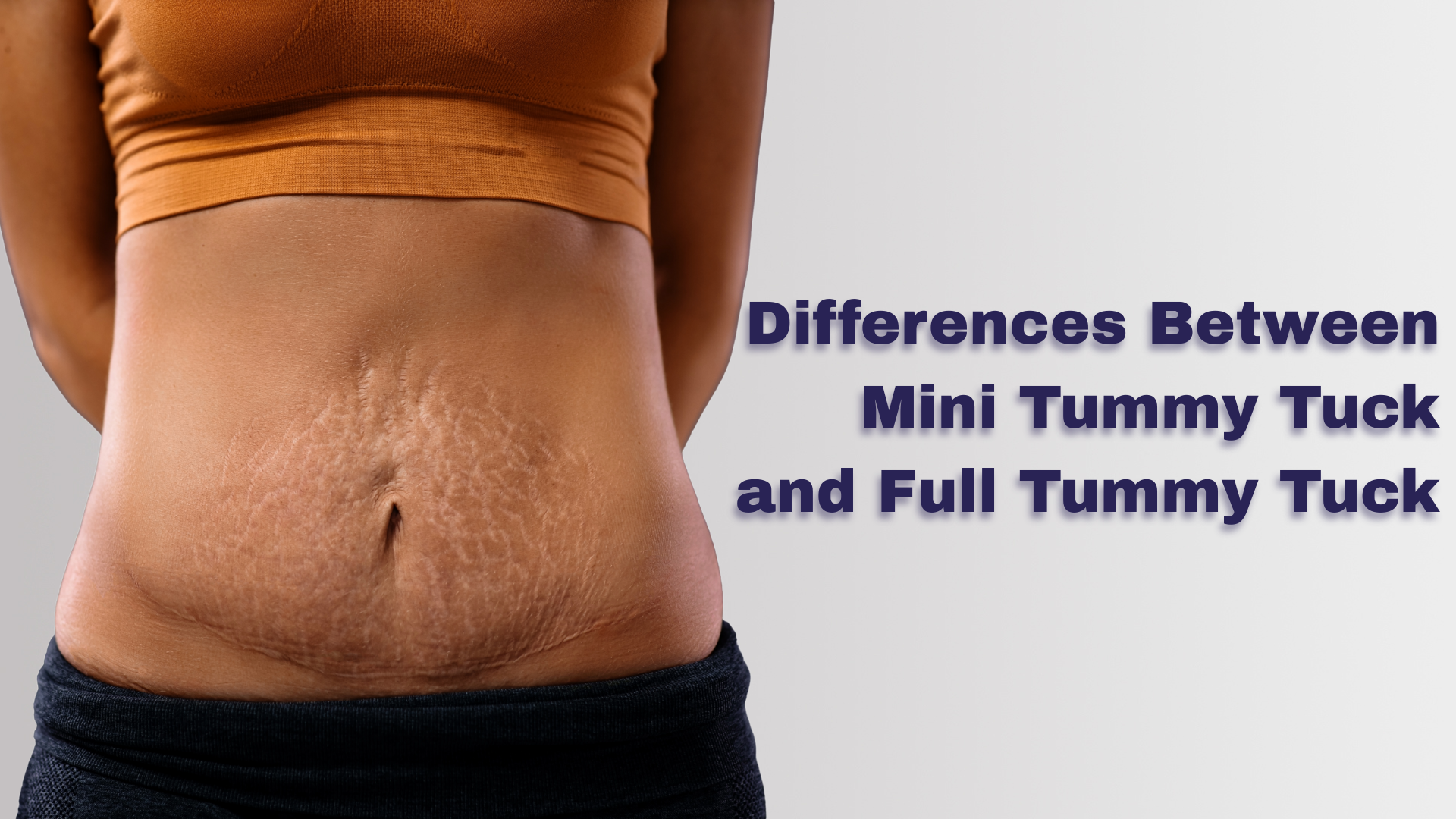
After a tummy tuck, patients may experience significant tightness in the abdominal area during the early period. Because the skin has been repositioned and separation of the abdominal muscles may also have been repaired, standing fully upright may initially be uncomfortable. For this reason, some patients may take their first walks in a slightly bent-forward position, gradually returning to a more upright posture as the tightness decreases.
This does not mean that walking should be avoided. On the contrary, short walks in an appropriate position are particularly important during early care after extensive procedures such as tummy tuck and Mommy Makeover. However, the aim is not for the patient to force themselves to stand upright or walk for prolonged periods in a way that increases abdominal tension.
Can You Walk Early After BBL?
Early mobilisation is also important after BBL, although there may be additional restrictions regarding pressure on the buttocks. Because prolonged direct pressure on areas treated with fat transfer may need to be avoided, sitting, lying, and standing positions are arranged according to the postoperative plan. This does not mean that walking should be completely restricted.
On the contrary, because BBL is often performed together with extensive liposuction, avoiding prolonged immobility is important. How the patient should take short walks, which positions should be used while resting, and how pressure on the buttocks should be limited need to be planned together. This allows a balance to be maintained between mobilisation and protection of the operated area.
How Much Walking Is Necessary?
There is no specific number of minutes, distance, or daily step count that applies to everyone after aesthetic surgery. During the early period, the goal is not exercise, but getting up at intervals and moving briefly in a controlled manner. Dizziness, pain level, the extent of surgery, and the patient’s general physical condition all influence how much walking is appropriate.
Walking duration and frequency may gradually increase over time. However, long walks, brisk exercise, running, or weight training are not the same as early mobilisation and require a different recovery period before they can be resumed. Feeling energetic does not mean that the surgical tissues are ready for intense physical activity.
Which Symptoms Should Be Monitored While Walking?
Mild fatigue or a sensation of tightness in the operated area may occur during early walks. However, pronounced dizziness, feeling as though you may faint, shortness of breath, chest pain, or unusual palpitations should not be regarded as normal walking-related fatigue. Sudden shortness of breath or chest pain in particular may require urgent medical assessment.
Significant swelling, pain, tenderness, or a noticeable difference in one leg compared with the other should also be assessed for the possibility of a venous blood clot. In the absence of these symptoms, walking may be increased gradually according to the patient’s tolerance and the surgical plan.
How Should Movement Be Planned During the Early Recovery Period?
Postoperative movement planning should avoid both extremes. Remaining in bed throughout the day is generally not appropriate, but walking excessively in an attempt to speed up recovery is also not recommended. The goal is to balance short periods of rest with controlled mobility.
As the extent of surgery increases, individualising this plan becomes even more important. Walking posture and movement restrictions may differ after tummy tuck, BBL, or combined body contouring procedures. The primary purpose of early walking is not to achieve physical performance, but to support circulation and manage recovery more safely by reducing prolonged immobility.
Physician Information
Assoc. Prof. Dr. Sedat Tatar is a Plastic, Reconstructive, and Aesthetic Surgery specialist who is Double Board Certified by two international boards. He holds the titles of Fellow of the American College of Surgeons (FACS) and Fellow of the European Board of Plastic, Reconstructive and Aesthetic Surgery (FEBOPRAS).
His international professional memberships include ISAPS (International Society of Aesthetic Plastic Surgery) and ASPS (American Society of Plastic Surgeons).
His clinic is located in Istanbul and is officially authorized by the Turkish Ministry of Health as a Health Tourism Center. His company is registered in the United Kingdom & Wales.
CONTACT INFORMATION
Telephone No : +90 (555) 100 10 83
Contact Link : [email protected]