
The Difference Between Obtaining Information from Artificial Intelligence and Deciding to Undergo Aesthetic Surgery
Artificial intelligence assistants can make it easier to access information about aesthetic procedures. They can quickly explain how a procedure is performed, what may be experienced during recovery and which aesthetic concerns it may be considered for. However, learning about an operation is not the same as deciding that the operation is necessary and suitable for you.
Artificial intelligence can provide general information, but it cannot perform a physical examination. Because it cannot assess your body, health and expectations as a whole, it cannot and should not decide which aesthetic procedure you should undergo.
What Does Obtaining Information Mean?
When you ask artificial intelligence about a tummy tuck, liposuction, BBL or breast surgery, you can learn about the general characteristics of the relevant procedure. You may understand the basic differences between procedures, gain an overview of the recovery process and prepare questions to ask during a consultation with a plastic surgeon.
This information may serve as a starting point for your research. However, the explanations provided by artificial intelligence usually consist of general information intended for a broad group of patients. Not every detail you read will necessarily apply to your body, health or planned procedure.
Why Is General Information Not a Personal Recommendation?
Artificial intelligence may appear to personalise its responses according to the information you provide. For example, if you state that you have excess skin in the abdominal area, it may explain tummy tuck surgery. However, this response is not a clinical assessment confirming that you are suitable for a tummy tuck.
The appearance of the abdomen may be associated with skin laxity, subcutaneous fat, intra-abdominal fat, muscle separation or postural characteristics. A physical examination is required to distinguish between these conditions. Artificial intelligence relies solely on the descriptions you provide and cannot always recognise whether the information is incomplete or inaccurate.
What Is Required to Make a Decision About Aesthetic Surgery?
A decision about aesthetic surgery is not made solely by examining the area a patient wishes to change. Skin elasticity, fat distribution, muscle and skeletal structure, asymmetries and previous operations must all be assessed. Chronic medical conditions, current medications, smoking, weight fluctuations and pregnancy plans may also affect the surgical approach.
A plastic surgeon interprets this information together with the findings of a physical examination. The surgeon explains whether the desired change is anatomically achievable, which methods may be considered and what surgical risks may be involved. In some cases, a different approach may be recommended instead of the procedure the patient initially had in mind. In other cases, surgery may not be recommended at all.
Can Artificial Intelligence Make a Decision from a Photograph?
Uploading a photograph to an artificial intelligence assistant does not mean that an individualised surgical assessment has been performed. Photographs are influenced by factors such as lighting, camera angle, lens type, distance and posture. They show only the external appearance of the body at a particular moment.
Artificial intelligence may interpret the shapes and proportions visible in a photograph, but it cannot accurately assess skin quality, tissue movement or muscle structure. It cannot determine whether a change that appears suitable in an image would be achievable and safe in the real body. Procedure recommendations based on photographic analysis should therefore not be regarded as definitive decisions.
How Can Artificial Intelligence Affect Expectations?
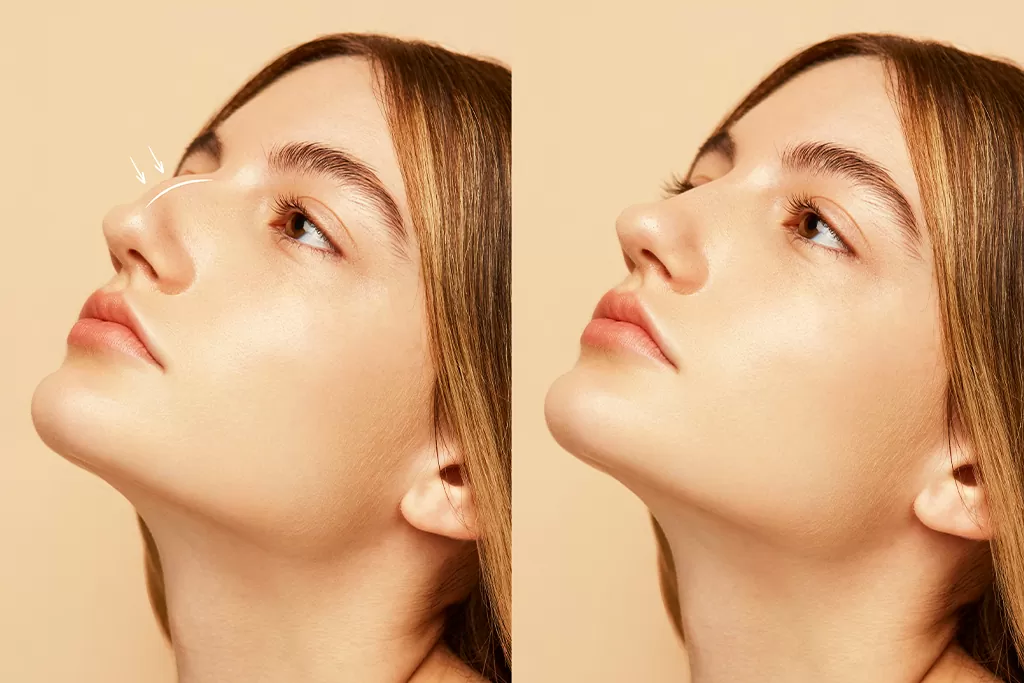
Artificial intelligence can generate digital images showing the changes a patient would like to see. However, these images do not guarantee the appearance that will be achieved after surgery. In a digital environment, the waist can be narrowed, buttock volume can be increased or excess skin can be removed without considering anatomical limitations.
These images may cause a patient to focus on a particular appearance before undergoing an examination. In surgical planning, however, the aim is not to reproduce a digital image exactly, but to plan a change that is achievable and safe within the patient’s own anatomy.
The Roles of the Patient and Surgeon in the Decision-Making Process
A decision about aesthetic surgery is based neither solely on the surgeon’s recommendation nor solely on the patient’s wishes. The patient explains the area causing concern and describes their expectations. Following a physical examination, the plastic surgeon assesses the available options, limitations, risks and recovery process. The decision is then developed together through this discussion.
Understanding the scope of the procedure, potential risks and available alternatives is essential for the patient to make an informed decision. Artificial intelligence may make it easier to prepare for these subjects, but it cannot replace the consultation and medical information provided between the physician and patient.
Where Should Artificial Intelligence’s Role End?
Artificial intelligence may be used as a supportive source of information when researching aesthetic procedures. It can help patients become familiar with procedures, understand terminology and prepare for a consultation. However, it is not reliable for artificial intelligence to make statements such as, “You should undergo this operation” or “This is the right procedure for you.”
Obtaining information is part of the research process, whereas deciding to undergo surgery requires an individualised medical assessment. Artificial intelligence may support the first process, but it cannot carry out the second on behalf of the patient and plastic surgeon.
Physician Information
Assoc. Prof. Dr. Sedat Tatar is a Plastic, Reconstructive, and Aesthetic Surgery specialist who is Double Board Certified by two international boards. He holds the titles of Fellow of the American College of Surgeons (FACS) and Fellow of the European Board of Plastic, Reconstructive and Aesthetic Surgery (FEBOPRAS).
His international professional memberships include ISAPS (International Society of Aesthetic Plastic Surgery) and ASPS (American Society of Plastic Surgeons).
His clinic is located in Istanbul and is officially authorized by the Turkish Ministry of Health as a Health Tourism Center. His company is registered in the United Kingdom & Wales.
CONTACT INFORMATION
Telephone No : +90 (555) 100 10 83
Contact Link : [email protected]
Address : Levent District, Karanfil Araligi Street No: 18 Besiktas/ISTANBUL